Bills · HR 565
IN COMMITTEE· 119TH CONGRESS
House BillHR 565District of ColumbiaLaw enforcement officers
District of Columbia Federal Judicial Officials Residency Equality Act of 2025
INTRO JAN 20· LAST ACTION JAN 20
READING
2MIN
COSPONSORS
0
READER REACTIONS0 TOTAL
NO VOTES YET · BE THE FIRST
- Introduced only
LEGISLATIVE PROGRESS
STEP 2 / 8Introduced
In Committee
Reported
Passed House
Passed Senate
Conference
To President
Became Law
WHAT THE BILL DOES
AI-writtenThis bill matters because it aims to make the residency requirements for federal judicial officials in the District of Columbia consistent with those in most other federal judicial districts across the United States. Currently, D.C. stands out with its exceptions, which some see as creating a disconnect between these important public servants and the community they serve.
If this bill becomes law, newly appointed federal judicial officials in D.C. would become D.C. residents, potentially fostering a stronger connection to the local community and its unique challenges. If it doesn't pass, the current system will continue, allowing these officials to live outside D.C., maintaining the distinction from other federal districts.
KEY PROVISIONS
5AI-extractedPROVISION 01
Requires newly appointed federal Circuit Judges in the District of Columbia to reside within the District.
This provision removes an existing exception, aligning D.C. Circuit Judges' residency with most other federal circuits.
PROVISION 02
Requires newly appointed federal District Judges in the District of Columbia to reside within the District.
This provision ends the current exemption for D.C. District Judges, making them local residents.
PROVISION 03
Requires newly appointed United States Attorneys for the District of Columbia to reside within the District.
This ensures the chief federal prosecutor for D.C. is a resident of the community they serve.
PROVISION 04
Requires newly appointed United States Marshals for the District of Columbia to reside within the District.
This provision mandates the top federal law enforcement official for D.C. to be a resident of the city.
PROVISION 05
Requires newly appointed Clerks of Court for the District of Columbia to reside within the District.
This change brings the residency requirements for court administrative leaders in D.C. in line with those in other districts.
SPONSORSHIP
1 + 0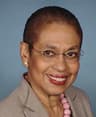
D· District of Columbia
YRS IN OFFICE
35
BILLS LED
114
ACTION TIMELINE
3 EVENTSJAN 20
Sponsor introductory remarks on measure. (CR E49)
JAN 20
Introduced in House
JAN 20
Referred to the House Committee on the Judiciary.
BILL INFO
TypeHouse Bill
NumberHR 565
Congress119th
StatusIn Committee
IntroducedJan 20, 2025
Last actionJan 20, 2025
READER REACTIONS
OVERALL SENTIMENT
No reactions yet. Be the first to weigh in.
Discussion
Loading comments...
IN COMMITTEE· 119TH CONGRESS · JUDICIARY COMMITTEE · INTRODUCED JAN 20, 2025
House BillHR 565District of ColumbiaLaw enforcement officers
District of Columbia Federal Judicial Officials Residency Equality Act of 2025
INTRODUCED JAN 20, 2025· LAST ACTION JAN 20, 2025
PASSAGE CHANCES
—%
READING
2 min
COSPONSORS
0
COMPLEXITY
Moderate