Bills · HR 5618
IN COMMITTEE· 119TH CONGRESS
House BillHR 5618Housing and Community Development
Housing PLUS Act of 2025
INTRO SEP 30· LAST ACTION SEP 30
READING
2MIN
COSPONSORS
2
READER REACTIONS0 TOTAL
NO VOTES YET · BE THE FIRST
- Introduced only
LEGISLATIVE PROGRESS
STEP 2 / 8Introduced
In Committee
Reported
Passed House
Passed Senate
Conference
To President
Became Law
WHAT THE BILL DOES
AI-writtenThis bill matters because it could fundamentally change the approach to how federal funds are used to address homelessness across the country. By preventing HUD from restricting grants to programs that require supportive services or preconditions like sobriety, it signals a shift towards models that integrate treatment and support more deeply with housing. This could mean more programs require individuals to address underlying issues like addiction or unemployment as a condition of housing.
If this bill becomes law, voters might see a greater emphasis on programs that combine housing with comprehensive support systems, potentially leading to different outcomes for individuals experiencing homelessness. If it doesn't pass, HUD would retain more flexibility in its funding decisions, allowing it to support a wider variety of program models, including those that prioritize immediate housing placement without preconditions, often referred to as "Housing First" approaches. It also ensures that faith-based organizations can participate equally in these programs without facing restrictions based on their religious affiliation.
KEY PROVISIONS
5AI-extractedPROVISION 01
HUD cannot limit grants to organizations that require individuals to participate in supportive services, such as counseling or job training.
This ensures funding for programs that integrate social services with housing, potentially leading to more comprehensive support for individuals.
PROVISION 02
HUD cannot limit grants to organizations that require preconditions for housing or assistance, such as sobriety or being drug-free.
This allows programs to set specific behavioral requirements for participation, potentially affecting who can access certain types of aid.
PROVISION 03
HUD cannot limit grants to faith-based organizations providing homeless assistance.
This ensures religious organizations can fully participate in federal programs without discrimination based on their faith-based nature.
PROVISION 04
At least 50% of Continuum of Care funds must go to entities that provide or offer access to wraparound services.
This mandates a significant portion of funding be directed towards programs offering comprehensive support alongside housing.
PROVISION 05
HUD must annually certify and report to Congress on its compliance with these new grant-making rules.
This adds a layer of oversight and accountability, ensuring HUD follows the new directives.
SPONSORSHIP
1 + 2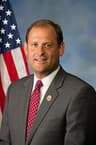
R· Kentucky
YRS IN OFFICE
13
BILLS LED
60
COSPONSOR BREAKDOWNBIPARTISAN · 0%
DEM 0 REP 2 IND 0
ACTION TIMELINE
2 EVENTSSEP 30
Introduced in House
SEP 30
Referred to the House Committee on Financial Services.
BILL INFO
TypeHouse Bill
NumberHR 5618
Congress119th
StatusIn Committee
IntroducedSep 30, 2025
Last actionSep 30, 2025
READER REACTIONS
OVERALL SENTIMENT
No reactions yet. Be the first to weigh in.
Discussion
Loading comments...
IN COMMITTEE· 119TH CONGRESS · FINANCIAL SERVICES COMMITTEE · INTRODUCED SEP 30, 2025
House BillHR 5618Housing and Community Development
Housing PLUS Act of 2025
INTRODUCED SEP 30, 2025· LAST ACTION SEP 30, 2025
PASSAGE CHANCES
—%
READING
2 min
COSPONSORS
2
COMPLEXITY
Moderate