Bills · HR 5544
IN COMMITTEE· 119TH CONGRESS
House BillHR 5544Foreign Trade and International Finance
Ejiao Act of 2025
INTRO SEP 23· LAST ACTION SEP 23
READING
15MIN
COSPONSORS
21BIPARTISAN
READER REACTIONS0 TOTAL
NO VOTES YET · BE THE FIRST
- Introduced only
LEGISLATIVE PROGRESS
STEP 2 / 8Introduced
In Committee
Reported
Passed House
Passed Senate
Conference
To President
Became Law
WHAT THE BILL DOES
AI-writtenVoters should care about this bill because it addresses concerns about animal welfare and the economic stability of vulnerable communities worldwide. If this bill becomes law, the United States would no longer be a market for ejiao or its raw materials, potentially reducing global demand and the pressure on donkey populations. This could help protect donkeys from slaughter, especially in regions where their numbers have significantly declined.
Without this bill, the U.S. would continue to be a significant importer of ejiao, contributing to the demand that is cited as decimating donkey populations and harming families who rely on donkeys for farming, transportation, and daily survival. The bill aims to align U.S. trade practices with efforts by other countries and international bodies, like the African Union, to curb the donkey skin trade and protect these animals and the communities that depend on them.
KEY PROVISIONS
3AI-extractedPROVISION 01
Prohibits the import, export, transport, sale, receipt, acquisition, or purchase of donkeys or donkey hides for producing ejiao or products containing it.
This directly targets the raw material supply chain for ejiao within the U.S., aiming to cut off a key aspect of the trade.
PROVISION 02
Prohibits the import, export, transport, sale, receipt, acquisition, or purchase of any product containing ejiao.
This stops the sale and distribution of finished ejiao products in the U.S., closing off the market for consumers.
PROVISION 03
Establishes a civil penalty of up to $10,000 per violation for individuals or entities that engage in the prohibited activities.
This provides a clear enforcement mechanism and financial deterrent to prevent illegal trade in ejiao-related products.
SPONSORSHIP
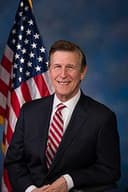
1 + 21
D· Virginia
YRS IN OFFICE
11
BILLS LED
63
COSPONSOR BREAKDOWNBIPARTISAN · 76%
DEM 13 REP 8 IND 0
ACTION TIMELINE
2 EVENTSSEP 23
Introduced in House
SEP 23
Referred to the Committee on Ways and Means, and in addition to the Committees on Natural Resources, Foreign Affairs, Homeland Security, and the Judiciary, for a period to be subsequently determined by the Speaker, in each case for consideration of such provisions as fall within the jurisdiction of the committee concerned.
BILL INFO
TypeHouse Bill
NumberHR 5544
Congress119th
StatusIn Committee
IntroducedSep 23, 2025
Last actionSep 23, 2025
READER REACTIONS
OVERALL SENTIMENT
No reactions yet. Be the first to weigh in.
Discussion
Loading comments...
IN COMMITTEE· 119TH CONGRESS · HOMELAND SECURITY COMMITTEE · INTRODUCED SEP 23, 2025
House BillHR 5544Foreign Trade and International Finance
Ejiao Act of 2025
INTRODUCED SEP 23, 2025· LAST ACTION SEP 23, 2025
PASSAGE CHANCES
—%
READING
15 min
COSPONSORS
21
COMPLEXITY
Moderate