Bills · HR 5514
IN COMMITTEE· 119TH CONGRESS
House BillHR 5514Labor and Employment
POJA Act of 2025
INTRO SEP 19· LAST ACTION SEP 19
READING
2MIN
COSPONSORS
23
READER REACTIONS0 TOTAL
NO VOTES YET · BE THE FIRST
- Introduced only
LEGISLATIVE PROGRESS
STEP 2 / 8Introduced
In Committee
Reported
Passed House
Passed Senate
Conference
To President
Became Law
WHAT THE BILL DOES
AI-writtenThe Americans most directly affected by this bill would be job applicants, particularly older individuals seeking employment. It aims to provide them with clearer legal protection against age-based discrimination during the hiring process, making it explicitly unlawful for employers to use age as a factor to limit their opportunities, separate them from other candidates, or classify them in a detrimental way.
Employers would also be directly affected, as the bill explicitly expands existing age discrimination prohibitions to cover job applicants, potentially requiring them to review and adjust their hiring practices to ensure compliance. The Equal Employment Opportunity Commission (EEOC) would be tasked with conducting a study and reporting its findings and recommendations to Congress and the public.
KEY PROVISIONS
3AI-extractedPROVISION 01
Explicitly prohibits employers from limiting, separating, or labeling job applicants based on age.
This strengthens legal protections for older job seekers against discriminatory hiring practices.
PROVISION 02
Requires the Equal Employment Opportunity Commission (EEOC) to study age discrimination claims filed by job applicants since 2015.
This will provide data on how widespread age discrimination is in hiring and identify problem areas.
PROVISION 03
Mandates a public report from the EEOC to Congress, including recommendations to prevent age discrimination in hiring.
This report could lead to better practices and future policies to combat age bias in the job market.
SPONSORSHIP
1 + 23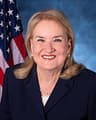
D· Texas
YRS IN OFFICE
7
BILLS LED
20
COSPONSOR BREAKDOWNBIPARTISAN · 26%
DEM 20 REP 3 IND 0
ACTION TIMELINE
2 EVENTSSEP 19
Introduced in House
SEP 19
Referred to the House Committee on Education and Workforce.
BILL INFO
TypeHouse Bill
NumberHR 5514
Congress119th
StatusIn Committee
IntroducedSep 19, 2025
Last actionSep 19, 2025
READER REACTIONS
OVERALL SENTIMENT
No reactions yet. Be the first to weigh in.
Discussion
Loading comments...
IN COMMITTEE· 119TH CONGRESS · EDUCATION AND WORKFORCE COMMITTEE · INTRODUCED SEP 19, 2025
House BillHR 5514Labor and Employment
POJA Act of 2025
INTRODUCED SEP 19, 2025· LAST ACTION SEP 19, 2025
PASSAGE CHANCES
—%
READING
2 min
COSPONSORS
23
COMPLEXITY
Moderate