Bills · HR 5482
IN COMMITTEE· 119TH CONGRESS
House BillHR 5482Education
Prevent Youth Suicide Act
INTRO SEP 18· LAST ACTION SEP 18
READING
4MIN
COSPONSORS
5
READER REACTIONS0 TOTAL
NO VOTES YET · BE THE FIRST
- Introduced only
LEGISLATIVE PROGRESS
STEP 2 / 8Introduced
In Committee
Reported
Passed House
Passed Senate
Conference
To President
Became Law
WHAT THE BILL DOES
AI-writtenThis bill matters because youth suicide rates and mental health challenges among teenagers have been a growing concern across the nation. If this bill becomes law, it would ensure that schools have standardized, evidence-based practices in place to identify students at risk, provide necessary support, and help schools cope with the aftermath of a tragedy.
Without this law, schools might have varying levels of preparedness or no comprehensive plans at all for addressing student mental health crises. Implementing these protocols could save lives, reduce the stigma around mental health issues, and create more supportive learning environments, addressing a critical public health issue that impacts families and communities nationwide.
KEY PROVISIONS
4AI-extractedPROVISION 01
Requires schools to develop and implement evidence-based suicide prevention programs, including biennial staff training to identify at-risk students and guidelines for reporting concerns to parents.
This provision ensures school staff are equipped to recognize early warning signs and provides a clear process to involve parents and provide help.
PROVISION 02
Mandates schools create and implement suicide postvention plans, which include communication guidelines, memorialization, and resources for grief counseling after a suicide event.
This provision helps schools respond sensitively and effectively to tragedy, supporting affected students and the wider school community to prevent further harm.
PROVISION 03
Requires schools to adopt a trauma-informed approach in their policies and practices, with biennial training for staff to understand trauma's impact on students.
This provision creates a more empathetic and supportive school environment for all students, recognizing that many may have experienced trauma.
PROVISION 04
Directs the Secretary of Education to provide technical assistance, monitor compliance, and establish a feedback and improvement process for these new rules.
This provision ensures schools receive the support needed to implement the protocols correctly and allows for ongoing improvement based on real-world effectiveness.
SPONSORSHIP
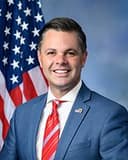
1 + 5
R· Iowa
YRS IN OFFICE
3
BILLS LED
61
COSPONSOR BREAKDOWNBIPARTISAN · 40%
DEM 4 REP 1 IND 0
ACTION TIMELINE
2 EVENTSSEP 18
Introduced in House
SEP 18
Referred to the House Committee on Education and Workforce.
BILL INFO
TypeHouse Bill
NumberHR 5482
Congress119th
StatusIn Committee
IntroducedSep 18, 2025
Last actionSep 18, 2025
READER REACTIONS
OVERALL SENTIMENT
No reactions yet. Be the first to weigh in.
Discussion
Loading comments...
IN COMMITTEE· 119TH CONGRESS · EDUCATION AND WORKFORCE COMMITTEE · INTRODUCED SEP 18, 2025
House BillHR 5482Education
Prevent Youth Suicide Act
INTRODUCED SEP 18, 2025· LAST ACTION SEP 18, 2025
PASSAGE CHANCES
—%
READING
4 min
COSPONSORS
5
COMPLEXITY
Moderate