Bills · HR 5462
IN COMMITTEE· 119TH CONGRESS
House BillHR 5462Health
Michelle Alyssa Go Act
INTRO SEP 18· LAST ACTION SEP 18
READING
2MIN
COSPONSORS
14BIPARTISAN
READER REACTIONS0 TOTAL
NO VOTES YET · BE THE FIRST
- Introduced only
LEGISLATIVE PROGRESS
STEP 2 / 8Introduced
In Committee
Reported
Passed House
Passed Senate
Conference
To President
Became Law
WHAT THE BILL DOES
AI-writtenThis bill addresses a long-standing issue in mental health care access for Medicaid beneficiaries. The current rule, known as the IMD exclusion, generally prohibits Medicaid from paying for mental health or substance use disorder treatment in larger residential facilities for most adults. This has created gaps in care, forcing many individuals to go without necessary treatment or seek care in less appropriate settings, especially for longer-term residential needs.
If this bill becomes law, it would remove a major financial barrier for smaller mental health and substance use disorder treatment centers to serve Medicaid patients. This could lead to more accessible treatment, reduce wait times for care, and provide more comprehensive options for people struggling with mental illness or addiction. If it doesn't pass, the current limitations on Medicaid funding for these types of facilities would remain, continuing the challenges in accessing residential mental health and substance use disorder care for many low-income Americans.
KEY PROVISIONS
4AI-extractedPROVISION 01
Revises the definition of an "institution for mental diseases" (IMD) under the Medicaid program.
This change is central to allowing Medicaid to cover services in more mental health and substance use disorder treatment facilities.
PROVISION 02
Excludes facilities with 36 beds or fewer from being classified as an IMD.
This specific bed count creates the size threshold for facilities that can now receive Medicaid reimbursement.
PROVISION 03
Requires excluded facilities to meet nationally recognized, evidence-based standards for mental health and substance use disorder programs.
This ensures that newly eligible facilities provide high-quality care, including specific services, clinical hours, and qualified staff.
PROVISION 04
Establishes that the changes will take effect 180 days after the bill is enacted.
This provides a clear timeline for implementation by states and healthcare providers.
SPONSORSHIP
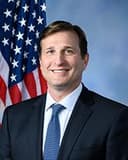
1 + 14
D· New York
YRS IN OFFICE
3
BILLS LED
46
COSPONSOR BREAKDOWNBIPARTISAN · 57%
DEM 10 REP 4 IND 0
ACTION TIMELINE
2 EVENTSSEP 18
Introduced in House
SEP 18
Referred to the House Committee on Energy and Commerce.
BILL INFO
TypeHouse Bill
NumberHR 5462
Congress119th
StatusIn Committee
IntroducedSep 18, 2025
Last actionSep 18, 2025
READER REACTIONS
OVERALL SENTIMENT
No reactions yet. Be the first to weigh in.
Discussion
Loading comments...
IN COMMITTEE· 119TH CONGRESS · ENERGY AND COMMERCE COMMITTEE · INTRODUCED SEP 18, 2025
House BillHR 5462Health
Michelle Alyssa Go Act
INTRODUCED SEP 18, 2025· LAST ACTION SEP 18, 2025
PASSAGE CHANCES
—%
READING
2 min
COSPONSORS
14
COMPLEXITY
Moderate