Bills · HR 5460
IN COMMITTEE· 119TH CONGRESS
House BillHR 5460Science, Technology, Communications
FREE SPEECH Act of 2025
INTRO SEP 18· LAST ACTION SEP 18
READING
1MIN
COSPONSORS
0
READER REACTIONS0 TOTAL
NO VOTES YET · BE THE FIRST
- Introduced only
LEGISLATIVE PROGRESS
STEP 2 / 8Introduced
In Committee
Reported
Passed House
Passed Senate
Conference
To President
Became Law
WHAT THE BILL DOES
AI-writtenThis bill matters because it addresses concerns about potential government overreach into the content and speech of regulated entities. If enacted, it would reinforce the idea that federal agencies, like the FCC, cannot use their regulatory power to push a political agenda through the media and communication companies they oversee. This could help preserve the independence of news outlets, entertainment providers, and internet platforms from political pressure.
Without this bill, there's a theoretical risk that a future presidential administration, through the FCC, could attempt to influence or even dictate the political stance of broadcasters or other regulated companies. This bill aims to prevent such a scenario, ensuring that the marketplace of ideas remains free from direct governmental ideological control. If it doesn't become law, the potential for such influence, however theoretical, would remain.
KEY PROVISIONS
3AI-extractedPROVISION 01
Prohibits the Federal Communications Commission (FCC) from requiring any regulated entity to align its speech with the political ideology of any presidential administration.
This ensures that government regulatory power cannot be used to force media and telecommunications companies to adopt specific political viewpoints.
PROVISION 02
Clarifies that this prohibition applies to any rule or order issued by the FCC.
This prevents the FCC from creating new regulations that could indirectly pressure entities into political alignment.
PROVISION 03
States that the FCC cannot use approval for mergers, acquisitions, or other required approvals as a condition to align speech with a political ideology.
This prevents the FCC from using its power over business transactions as leverage to influence political speech.
SPONSORSHIP
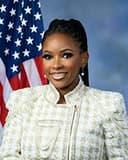
1 + 0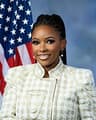
D· Texas
YRS IN OFFICE
3
BILLS LED
19
ACTION TIMELINE
2 EVENTSSEP 18
Introduced in House
SEP 18
Referred to the House Committee on Energy and Commerce.
BILL INFO
TypeHouse Bill
NumberHR 5460
Congress119th
StatusIn Committee
IntroducedSep 18, 2025
Last actionSep 18, 2025
READER REACTIONS
OVERALL SENTIMENT
No reactions yet. Be the first to weigh in.
Discussion
Loading comments...
IN COMMITTEE· 119TH CONGRESS · ENERGY AND COMMERCE COMMITTEE · INTRODUCED SEP 18, 2025
House BillHR 5460Science, Technology, Communications
FREE SPEECH Act of 2025
INTRODUCED SEP 18, 2025· LAST ACTION SEP 18, 2025
PASSAGE CHANCES
—%
READING
1 min
COSPONSORS
0
COMPLEXITY
Moderate