Bills · HR 5438
REPORTED· 119TH CONGRESS
House BillHR 5438Budget processBudget deficits and national debt
Incentivize Savings Act
INTRO SEP 17· LAST ACTION FEB 4
READING
3MIN
COSPONSORS
69
READER REACTIONS0 TOTAL
NO VOTES YET · BE THE FIRST
- Reported, not passed
LEGISLATIVE PROGRESS
STEP 3 / 8Introduced
In Committee
Reported
Passed House
Passed Senate
Conference
To President
Became Law
WHAT THE BILL DOES
AI-writtenThis bill matters because it tries to tackle the 'use-it-or-lose-it' problem in federal spending, where agencies might rush to spend all their allocated money by the end of the fiscal year to avoid losing it. By allowing agencies to keep a portion of unspent funds, it could encourage more thoughtful spending and less waste.
If this bill becomes law, it could lead to more efficient government spending and potentially help reduce the national debt by directing significant unspent funds towards it. However, it also means agencies might be constrained in growing their budgets, even if new needs arise, potentially impacting their ability to adapt and fulfill their missions without significant new congressional appropriations.
KEY PROVISIONS
4AI-extractedPROVISION 01
When a Federal agency has unspent funds, 49% will remain available to that agency for an additional fiscal year.
This aims to reduce wasteful year-end spending by giving agencies more flexibility with their allocated funds.
PROVISION 02
Another 49% of the unspent funds will be used to pay down the principal and interest on the public debt.
This provision directly addresses national debt reduction by allocating government savings towards it.
PROVISION 03
The remaining 2% of unspent funds will be used for retention bonuses for employees within that agency, capped at 10% of an employee's basic pay.
This creates a direct financial incentive for agency employees to identify and achieve cost savings.
PROVISION 04
If an agency has unspent funds, its budget request for the following fiscal year cannot exceed its previous year's budget, adjusted only by the rate of inflation.
This provision aims to prevent agencies from requesting larger budgets after demonstrating they can operate with less, promoting fiscal discipline.
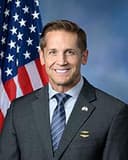
SPONSORSHIP
1 + 69
R· Georgia
YRS IN OFFICE
3
BILLS LED
22
COSPONSOR BREAKDOWNBIPARTISAN · 11%
DEM 4 REP 65 IND 0
ACTION TIMELINE
4 EVENTSFEB 4
Committee Consideration and Mark-up Session Held
FEB 4
Ordered to be Reported (Amended) by the Yeas and Nays: 25 - 19.
SEP 17
Introduced in House
SEP 17
Referred to the Committee on Oversight and Government Reform, and in addition to the Committee on the Budget, for a period to be subsequently determined by the Speaker, in each case for consideration of such provisions as fall within the jurisdiction of the committee concerned.
BILL INFO
TypeHouse Bill
NumberHR 5438
Congress119th
StatusReported
IntroducedSep 17, 2025
Last actionFeb 4, 2026
READER REACTIONS
OVERALL SENTIMENT
No reactions yet. Be the first to weigh in.
Discussion
Loading comments...
REPORTED· 119TH CONGRESS · BUDGET COMMITTEE · INTRODUCED SEP 17, 2025
House BillHR 5438Budget processBudget deficits and national debt
Incentivize Savings Act
INTRODUCED SEP 17, 2025· LAST ACTION FEB 4, 2026
PASSAGE CHANCES
—%
READING
3 min
COSPONSORS
69
COMPLEXITY
Moderate