Bills · HR 5339
IN COMMITTEE· 119TH CONGRESS
House BillHR 5339Cardiovascular and respiratory healthGovernment buildings, facilities, and property
Susan E. Lukas 9/11 Servicemember Fairness Act
INTRO SEP 11· LAST ACTION MAR 26
READING
2MIN
COSPONSORS
8BIPARTISAN
READER REACTIONS0 TOTAL
NO VOTES YET · BE THE FIRST
- Introduced only
LEGISLATIVE PROGRESS
STEP 2 / 8Introduced
In Committee
Reported
Passed House
Passed Senate
Conference
To President
Became Law
WHAT THE BILL DOES
AI-writtenVoters should care about this bill because it addresses a long-standing challenge faced by veterans who were exposed to potentially harmful substances following a specific traumatic event: the 9/11 attack on the Pentagon. For years, many veterans have struggled to prove that their illnesses are directly linked to their service, creating financial and medical hardships.
If this bill becomes law, it provides a clearer, faster path for a specific group of veterans to receive the medical care and disability benefits they need. It acknowledges the unique health risks associated with the aftermath of the Pentagon attack and aims to ensure these service members are not left to fight both their illnesses and a complex bureaucratic system. If it doesn't pass, these veterans would continue to face the difficult task of individually demonstrating a service connection, which can be particularly challenging decades after the exposure event.
KEY PROVISIONS
3AI-extractedPROVISION 01
Establishes a 'presumption of service connection' for certain diseases for veterans who served at the Pentagon Reservation between September 11, 2001, and November 19, 2001.
This means the VA will automatically assume these diseases are linked to their military service, making it much easier for eligible veterans to get benefits.
PROVISION 02
Lists specific diseases that qualify for this presumption, including asthma, COPD, emphysema, tracheomalacia, any type of cancer, any cardiovascular disease, any skin disease, and any respiratory disease.
This clearly defines the range of serious health conditions that will be covered by the new presumption for eligible veterans.
PROVISION 03
Defines a 'covered veteran' as any veteran who served on active duty at the Pentagon Reservation during the specified period.
This clearly identifies the specific group of veterans who will benefit from the simplified process for obtaining VA benefits.
SPONSORSHIP
1 + 8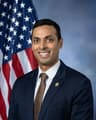
D· Virginia
YRS IN OFFICE
1
BILLS LED
43
COSPONSOR BREAKDOWNBIPARTISAN · 50%
DEM 6 REP 2 IND 0
ACTION TIMELINE
7 EVENTSMAR 26
Subcommittee Consideration and Mark-up Session Held
MAR 26
Forwarded by Subcommittee to Full Committee by Voice Vote.
FEB 3
Subcommittee Hearings Held
OCT 1
Referred to the Subcommittee on Disability Assistance and Memorial Affairs.
BILL INFO
TypeHouse Bill
NumberHR 5339
Congress119th
StatusIn Committee
IntroducedSep 11, 2025
Last actionMar 26, 2026
READER REACTIONS
OVERALL SENTIMENT
No reactions yet. Be the first to weigh in.
Discussion
Loading comments...
IN COMMITTEE· 119TH CONGRESS · VETERANS' AFFAIRS COMMITTEE · INTRODUCED SEP 11, 2025
House BillHR 5339Cardiovascular and respiratory healthGovernment buildings, facilities, and property
Susan E. Lukas 9/11 Servicemember Fairness Act
INTRODUCED SEP 11, 2025· LAST ACTION MAR 26, 2026
PASSAGE CHANCES
—%
READING
2 min
COSPONSORS
8
COMPLEXITY
Moderate