Bills · HR 5199
IN COMMITTEE· 119TH CONGRESS
House BillHR 5199Health
Modernizing Rural Physician Assistant and Nurse Practitioner Utilization Act of 2025
INTRO SEP 8· LAST ACTION SEP 8
READING
2MIN
COSPONSORS
25BIPARTISAN
READER REACTIONS0 TOTAL
NO VOTES YET · BE THE FIRST
- Introduced only
LEGISLATIVE PROGRESS
STEP 2 / 8Introduced
In Committee
Reported
Passed House
Passed Senate
Conference
To President
Became Law
WHAT THE BILL DOES
AI-writtenVoters should care about this bill because it aims to improve access to healthcare, especially in rural areas where doctors are often scarce. By allowing physician assistants and nurse practitioners to practice according to their state's laws, rather than potentially stricter federal requirements, clinics could more effectively use their skilled providers to treat patients.
If this bill becomes law, it could mean shorter wait times for appointments and more available healthcare services in underserved communities, as clinics can operate more efficiently. If it doesn't pass, current federal requirements that might restrict the independent practice of PAs and NPs in certain settings would remain, potentially limiting healthcare access and increasing the burden on physicians in areas already struggling with provider shortages.
KEY PROVISIONS
4AI-extractedPROVISION 01
The bill amends the Social Security Act to change federal requirements for the 'arrangement' physician assistants and nurse practitioners must have with a physician in certain healthcare facilities.
This removes a federal barrier to more independent practice for these providers.
PROVISION 02
It replaces previous federal requirements with a mandate that the practice and oversight of PAs and NPs in these facilities must align with state law or state regulatory mechanisms.
This gives states more control over the scope of practice for PAs and NPs, potentially increasing access to care.
PROVISION 03
The changes apply specifically to facilities that are not 'physician-directed clinics,' meaning it targets settings like rural health clinics or federally qualified health centers.
This ensures the bill addresses provider utilization in clinics serving underserved populations.
PROVISION 04
The bill is titled the 'Modernizing Rural Physician Assistant and Nurse Practitioner Utilization Act of 2025,' signaling its focus on rural healthcare.
The title highlights the bill's intent to improve healthcare delivery in rural areas by optimizing the use of PAs and NPs.
SPONSORSHIP
1 + 25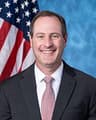
R· Kansas
YRS IN OFFICE
5
BILLS LED
28
COSPONSOR BREAKDOWNBIPARTISAN · 96%
DEM 13 REP 12 IND 0
ACTION TIMELINE
2 EVENTSSEP 8
Introduced in House
SEP 8
Referred to the Committee on Energy and Commerce, and in addition to the Committee on Ways and Means, for a period to be subsequently determined by the Speaker, in each case for consideration of such provisions as fall within the jurisdiction of the committee concerned.
BILL INFO
TypeHouse Bill
NumberHR 5199
Congress119th
StatusIn Committee
IntroducedSep 8, 2025
Last actionSep 8, 2025
READER REACTIONS
OVERALL SENTIMENT
No reactions yet. Be the first to weigh in.
Discussion
Loading comments...
IN COMMITTEE· 119TH CONGRESS · WAYS AND MEANS COMMITTEE · INTRODUCED SEP 8, 2025
House BillHR 5199Health
Modernizing Rural Physician Assistant and Nurse Practitioner Utilization Act of 2025
INTRODUCED SEP 8, 2025· LAST ACTION SEP 8, 2025
PASSAGE CHANCES
—%
READING
2 min
COSPONSORS
25
COMPLEXITY
Moderate