Bills · HR 5035
IN COMMITTEE· 119TH CONGRESS
House BillHR 5035Armed Forces and National Security
Veteran and Spouse Licensing Flexibility Act of 2025
INTRO AUG 26· LAST ACTION AUG 26
READING
5MIN
COSPONSORS
6
READER REACTIONS0 TOTAL
NO VOTES YET · BE THE FIRST
- Introduced only
LEGISLATIVE PROGRESS
STEP 2 / 8Introduced
In Committee
Reported
Passed House
Passed Senate
Conference
To President
Became Law
WHAT THE BILL DOES
AI-writtenThis bill matters because it addresses a significant hurdle many military families face: finding work after relocating. When service members transition to civilian life or their families move due to new assignments or after discharge, they often encounter licensing barriers that prevent them from working in their chosen profession. This can lead to unemployment or underemployment, causing financial strain and wasting valuable skills.
If this bill becomes law, it would help ease the transition for veterans and their spouses by removing some of these bureaucratic obstacles, allowing them to quickly enter the workforce and contribute to their new communities. If it doesn't pass, these families will continue to face potentially lengthy and costly re-licensing processes in each new state, delaying employment and adding to the economic stress of military transitions.
KEY PROVISIONS
4AI-extractedPROVISION 01
Requires states to recognize professional licenses held by eligible veterans and their spouses who relocate within 36 months of the veteran's discharge or release.
This significantly reduces barriers to employment for military families moving across state lines.
PROVISION 02
Mandates state licensing authorities to issue a temporary license if a permanent license cannot be processed within 30 days of receiving a complete application.
This ensures that eligible individuals can begin working quickly without lengthy delays.
PROVISION 03
Specifies that the veteran's or spouse's existing license must be in good standing, not revoked, and not under investigation for unprofessional conduct.
This safeguards public safety by ensuring that only qualified individuals with clean records can transfer their licenses.
PROVISION 04
Outlines the required documentation for the application, including military discharge papers (DD-214) and a notarized affidavit affirming good standing.
This standardizes the application process and ensures that necessary verification is provided.
SPONSORSHIP
1 + 6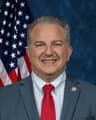
R· Florida
YRS IN OFFICE
1
BILLS LED
18
COSPONSOR BREAKDOWNBIPARTISAN · 0%
DEM 0 REP 6 IND 0
ACTION TIMELINE
2 EVENTSAUG 26
Introduced in House
AUG 26
Referred to the House Committee on Education and Workforce.
BILL INFO
TypeHouse Bill
NumberHR 5035
Congress119th
StatusIn Committee
IntroducedAug 26, 2025
Last actionAug 26, 2025
READER REACTIONS
OVERALL SENTIMENT
No reactions yet. Be the first to weigh in.
Discussion
Loading comments...
IN COMMITTEE· 119TH CONGRESS · EDUCATION AND WORKFORCE COMMITTEE · INTRODUCED AUG 26, 2025
House BillHR 5035Armed Forces and National Security
Veteran and Spouse Licensing Flexibility Act of 2025
INTRODUCED AUG 26, 2025· LAST ACTION AUG 26, 2025
PASSAGE CHANCES
—%
READING
5 min
COSPONSORS
6
COMPLEXITY
Moderate