Bills · HR 4914
IN COMMITTEE· 119TH CONGRESS
House BillHR 4914Government Operations and Politics
Unhoused Voter Opportunity Through Elections Act
INTRO AUG 5· LAST ACTION AUG 5
READING
13MIN
COSPONSORS
50
READER REACTIONS0 TOTAL
NO VOTES YET · BE THE FIRST
- Introduced only
LEGISLATIVE PROGRESS
STEP 2 / 8Introduced
In Committee
Reported
Passed House
Passed Senate
Conference
To President
Became Law
WHAT THE BILL DOES
AI-writtenThis bill matters because it addresses a fundamental aspect of democracy: the right to vote. Currently, people experiencing homelessness often face significant challenges in participating in elections due to requirements like having a permanent address or specific forms of identification that they may not possess. If this bill becomes law, it would remove many of these systemic barriers, potentially increasing the civic engagement and political representation of a vulnerable population that often feels unheard.
Without this bill, many unhoused individuals would continue to struggle with voter registration and ballot access, effectively disenfranchising a segment of the population. If it passes, it would affirm that housing status does not diminish a citizen's right to vote, promoting greater inclusivity in federal elections. It could lead to election officials taking proactive steps to engage unhoused communities, making the democratic process more equitable and ensuring that a wider range of voices are included in shaping the nation's future.
KEY PROVISIONS
5AI-extractedPROVISION 01
Prohibits states from denying or limiting a citizen's right to vote solely because they reside in a non-traditional living situation, such as a shelter, public space, or prison (if state law allows).
This provision directly protects the voting rights of unhoused individuals by explicitly stating that housing status cannot be a barrier to voting.
PROVISION 02
Requires states to accept a signed statement (attestation) as proof of residence and allows unhoused individuals to use a homeless shelter's address for voting purposes. It also mandates the acceptance of identification issued by criminal justice system entities.
This provision provides practical solutions for unhoused individuals who may lack traditional forms of residence verification or identification.
PROVISION 03
Mandates that jurisdictions providing ballot drop boxes ensure they are accessible, clearly labeled, and strategically located to provide access for unhoused individuals, based on consultation with service providers.
This provision aims to make the act of returning a ballot physically easier and more convenient for those without fixed addresses or consistent transportation.
PROVISION 04
Requires state election websites to feature a clear, separate link with simple information on how unhoused individuals can register and vote in federal elections.
This provision ensures that critical voting information is readily available and easy to find for a population that may not have consistent access to traditional communication channels.
PROVISION 05
Establishes a grant program to support efforts that help unhoused individuals access voting and voter registration.
This provision provides potential financial resources to assist states and organizations in implementing the bill's protections and developing outreach programs.
SPONSORSHIP
1 + 50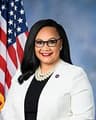
D· Georgia
YRS IN OFFICE
5
BILLS LED
58
COSPONSOR BREAKDOWNBIPARTISAN · 0%
DEM 50 REP 0 IND 0
ACTION TIMELINE
2 EVENTSAUG 5
Introduced in House
AUG 5
Referred to the Committee on House Administration, and in addition to the Committees on Financial Services, and the Judiciary, for a period to be subsequently determined by the Speaker, in each case for consideration of such provisions as fall within the jurisdiction of the committee concerned.
BILL INFO
TypeHouse Bill
NumberHR 4914
Congress119th
StatusIn Committee
IntroducedAug 5, 2025
Last actionAug 5, 2025
READER REACTIONS
OVERALL SENTIMENT
No reactions yet. Be the first to weigh in.
Discussion
Loading comments...
IN COMMITTEE· 119TH CONGRESS · JUDICIARY COMMITTEE · INTRODUCED AUG 5, 2025
House BillHR 4914Government Operations and Politics
Unhoused Voter Opportunity Through Elections Act
INTRODUCED AUG 5, 2025· LAST ACTION AUG 5, 2025
PASSAGE CHANCES
—%
READING
13 min
COSPONSORS
50
COMPLEXITY
Moderate