Bills · HR 4820
IN COMMITTEE· 119TH CONGRESS
House BillHR 4820Government Operations and Politics
Freedom from Government Surveys Act
INTRO JUL 29· LAST ACTION JUL 29
READING
1MIN
COSPONSORS
1
READER REACTIONS0 TOTAL
NO VOTES YET · BE THE FIRST
- Introduced only
LEGISLATIVE PROGRESS
STEP 2 / 8Introduced
In Committee
Reported
Passed House
Passed Senate
Conference
To President
Became Law
WHAT THE BILL DOES
AI-writtenThis bill matters because it changes the balance between individual privacy and the government's need for comprehensive data. If it becomes law, it gives individuals the explicit right to refuse to answer the American Community Survey without fear of legal repercussions, which could be seen as an enhancement of personal liberty and privacy from government information collection.
However, if participation becomes voluntary, there's a risk that fewer people might complete the survey. This could lead to less accurate or complete data about the U.S. population, impacting how billions of federal dollars are allocated for schools, roads, hospitals, and other critical programs, as well as how researchers and businesses understand demographic trends. Voters should care because it could affect the accuracy of the information used to make decisions that impact their communities and the services they receive.
KEY PROVISIONS
3AI-extractedPROVISION 01
Eliminates any legal penalties for individuals who do not respond to the American Community Survey or any future similar surveys.
This ensures individuals cannot be fined or otherwise penalized for choosing not to participate, granting them explicit control over their survey participation.
PROVISION 02
Makes participation in the American Community Survey explicitly voluntary by removing the legal requirement to respond.
This fundamentally changes the nature of the survey from a mandatory data collection effort to an optional one.
PROVISION 03
Requires that the American Community Survey (and any successor surveys) include a clear statement informing respondents that their participation is voluntary.
This ensures all recipients are aware of their right to choose whether or not to complete the survey.
SPONSORSHIP
1 + 1
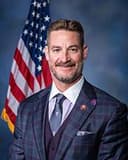
R· Florida
YRS IN OFFICE
7
BILLS LED
113
COSPONSOR BREAKDOWNBIPARTISAN · 0%
DEM 0 REP 1 IND 0
ACTION TIMELINE
2 EVENTSJUL 29
Introduced in House
JUL 29
Referred to the House Committee on Oversight and Government Reform.
BILL INFO
TypeHouse Bill
NumberHR 4820
Congress119th
StatusIn Committee
IntroducedJul 29, 2025
Last actionJul 29, 2025
READER REACTIONS
OVERALL SENTIMENT
No reactions yet. Be the first to weigh in.
Discussion
Loading comments...
IN COMMITTEE· 119TH CONGRESS · OVERSIGHT AND GOVERNMENT REFORM COMMITTEE · INTRODUCED JUL 29, 2025
House BillHR 4820Government Operations and Politics
Freedom from Government Surveys Act
INTRODUCED JUL 29, 2025· LAST ACTION JUL 29, 2025
PASSAGE CHANCES
—%
READING
1 min
COSPONSORS
1
COMPLEXITY
Moderate