Bills · HR 474
IN COMMITTEE· 119TH CONGRESS
House BillHR 474Federal-Indian relationsNorth Carolina
Lumbee Fairness Act
INTRO JAN 16· LAST ACTION JAN 16
READING
5MIN
COSPONSORS
11BIPARTISAN
READER REACTIONS0 TOTAL
NO VOTES YET · BE THE FIRST
- Introduced only
LEGISLATIVE PROGRESS
STEP 2 / 8Introduced
In Committee
Reported
Passed House
Passed Senate
Conference
To President
Became Law
WHAT THE BILL DOES
AI-writtenThis bill matters because it corrects a historical anomaly where the Lumbee Tribe was recognized as an Indian tribe but explicitly excluded from federal services and benefits enjoyed by other federally recognized tribes. If this bill becomes law, it would provide the Lumbee Tribe with essential resources to address community needs, improve quality of life for its members, and foster economic development, bringing them parity with other recognized tribes.
Without this bill, the Lumbee Tribe would continue to be limited in its access to federal programs designed for Native Americans. Its passage would mean significant changes for the Lumbee community, offering greater self-determination, strengthening their tribal government, and facilitating access to land management opportunities, which could lead to better infrastructure, social services, and cultural preservation.
KEY PROVISIONS
5AI-extractedPROVISION 01
Grants full federal recognition to the Lumbee Tribe of North Carolina.
This makes the Tribe and its members eligible for all federal services and benefits provided to other federally recognized Indian tribes.
PROVISION 02
Makes the Lumbee Tribe and its members eligible for all services and benefits provided by the Federal Government to federally recognized Indian tribes.
This rectifies a long-standing exclusion that denied the Lumbee access to essential federal programs and resources.
PROVISION 03
Authorizes the Secretary of the Interior to take land into trust for the benefit of the Lumbee Tribe, treating land in Robeson County as 'on reservation'.
This allows the Tribe to establish a land base that can be used for housing, economic development, and cultural preservation, under federal protection.
PROVISION 04
Defines Lumbee members residing in Robeson, Cumberland, Hoke, and Scotland counties as living on or near an Indian reservation for federal service delivery.
This ensures that a significant portion of the tribal population can readily access federal services without needing to relocate.
PROVISION 05
Stipulates that the State of North Carolina retains criminal and civil jurisdiction over tribal lands, but allows for a future transfer of jurisdiction to the United States through an agreement.
This addresses a complex issue of governmental authority over tribal lands, allowing for a phased approach to jurisdiction.
SPONSORSHIP
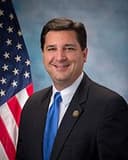
1 + 11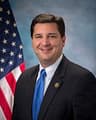
R· North Carolina
YRS IN OFFICE
11
BILLS LED
30
COSPONSOR BREAKDOWNBIPARTISAN · 90%
DEM 5 REP 6 IND 0
ACTION TIMELINE
2 EVENTSJAN 16
Introduced in House
JAN 16
Referred to the House Committee on Natural Resources.
BILL INFO
TypeHouse Bill
NumberHR 474
Congress119th
StatusIn Committee
IntroducedJan 16, 2025
Last actionJan 16, 2025
READER REACTIONS
OVERALL SENTIMENT
No reactions yet. Be the first to weigh in.
Discussion
Loading comments...
IN COMMITTEE· 119TH CONGRESS · NATURAL RESOURCES COMMITTEE · INTRODUCED JAN 16, 2025
House BillHR 474Federal-Indian relationsNorth Carolina
Lumbee Fairness Act
INTRODUCED JAN 16, 2025· LAST ACTION JAN 16, 2025
PASSAGE CHANCES
—%
READING
5 min
COSPONSORS
11
COMPLEXITY
Moderate