Bills · HR 4706
IN COMMITTEE· 119TH CONGRESS
House BillHR 4706Agriculture and Food
Protecting Our Farms and Homes from China Act
INTRO JUL 23· LAST ACTION JUL 23
READING
8MIN
COSPONSORS
21
READER REACTIONS0 TOTAL
NO VOTES YET · BE THE FIRST
- Introduced only
LEGISLATIVE PROGRESS
STEP 2 / 8Introduced
In Committee
Reported
Passed House
Passed Senate
Conference
To President
Became Law
WHAT THE BILL DOES
AI-writtenThis bill matters to voters because it directly addresses growing concerns about foreign ownership of critical U.S. resources, particularly agricultural land. If passed, it would shift who can own and control U.S. farmland and food processing facilities, potentially impacting national food security and supply chains. Supporters would argue it protects the U.S. from potential influence or control by foreign governments over strategic resources, especially given current geopolitical tensions.
If this bill becomes law, existing foreign entities linked to the Chinese government or Communist Party would be forced to divest their agricultural land holdings under threat of severe penalties, and future acquisitions would be blocked. This could alter investment patterns in rural areas and reshape the landscape of foreign land ownership. If the bill does not pass, the current rules regarding foreign ownership of agricultural and residential land would remain in place, allowing these entities to continue acquiring and holding property.
KEY PROVISIONS
5AI-extractedPROVISION 01
Prohibits specific foreign entities (including Chinese corporations, government-linked organizations, and CCP affiliates) from acquiring or leasing United States agricultural land.
This is the core prohibition of the bill, directly targeting who can own and control U.S. food production resources.
PROVISION 02
Requires covered foreign entities that currently own or lease U.S. agricultural land to sell off their interests within one year of the bill's enactment.
This provision forces existing owners to divest, leading to a significant change in current land ownership.
PROVISION 03
Establishes substantial civil penalties (daily fines) and criminal penalties (fines, imprisonment, and forfeiture of land) for violations of the prohibition or divestment requirement.
These penalties provide strong enforcement mechanisms to ensure compliance with the bill's restrictions.
PROVISION 04
Mandates the Secretary of Agriculture to establish an office within the USDA to monitor compliance and impose fines within 180 days of the bill's enactment.
This creates the administrative structure necessary for ongoing enforcement and oversight of the new rules.
PROVISION 05
Voids any noncompete agreements between a covered foreign entity that violates the bill and its employees.
This aims to prevent these entities from restricting the future employment of their workforce after divestment or other actions.
SPONSORSHIP
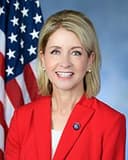
1 + 21
R· Illinois
YRS IN OFFICE
5
BILLS LED
36
COSPONSOR BREAKDOWNBIPARTISAN · 0%
DEM 0 REP 21 IND 0
ACTION TIMELINE
2 EVENTSJUL 23
Introduced in House
JUL 23
Referred to the Committee on Agriculture, and in addition to the Committee on Foreign Affairs, for a period to be subsequently determined by the Speaker, in each case for consideration of such provisions as fall within the jurisdiction of the committee concerned.
BILL INFO
TypeHouse Bill
NumberHR 4706
Congress119th
StatusIn Committee
IntroducedJul 23, 2025
Last actionJul 23, 2025
READER REACTIONS
OVERALL SENTIMENT
No reactions yet. Be the first to weigh in.
Discussion
Loading comments...
IN COMMITTEE· 119TH CONGRESS · AGRICULTURE COMMITTEE · INTRODUCED JUL 23, 2025
House BillHR 4706Agriculture and Food
Protecting Our Farms and Homes from China Act
INTRODUCED JUL 23, 2025· LAST ACTION JUL 23, 2025
PASSAGE CHANCES
—%
READING
8 min
COSPONSORS
21
COMPLEXITY
Moderate