Bills · HR 4637
IN COMMITTEE· 119TH CONGRESS
House BillHR 4637Armed Forces and National Security
Veterans’ Surviving Spouse Equity Act of 2025
INTRO JUL 23· LAST ACTION DEC 19
READING
2MIN
COSPONSORS
0
READER REACTIONS0 TOTAL
NO VOTES YET · BE THE FIRST
- Introduced only
LEGISLATIVE PROGRESS
STEP 2 / 8Introduced
In Committee
Reported
Passed House
Passed Senate
Conference
To President
Became Law
WHAT THE BILL DOES
AI-writtenThis bill matters because it updates how the government recognizes family structures and relationships when it comes to supporting the survivors of disabled veterans. If passed, it would mean that long-term partners who may not have been legally married to a veteran could still receive vital benefits, like financial compensation, after the veteran's death. This reflects a more modern understanding of what constitutes a committed partnership.
Without this bill, many surviving partners would continue to be excluded from benefits, potentially facing financial hardship despite having cared for a totally disabled veteran for years. If it becomes law, it could provide a safety net for these individuals, acknowledging their role and sacrifice, and aligning VA eligibility with how many people live their lives today.
KEY PROVISIONS
3AI-extractedPROVISION 01
Expands eligibility for certain benefits to surviving spouses who were legally married to the veteran for at least one year immediately preceding the veteran's death.
This clarifies and potentially broadens the duration requirement for legally married spouses of totally disabled veterans to receive benefits.
PROVISION 02
Expands eligibility to surviving spouses who lived with the veteran in the same household for at least one year immediately preceding the veteran's death and publicly presented themselves as spouses.
This provision recognizes common-law type relationships, offering benefits to partners who were not legally married but lived as spouses.
PROVISION 03
States that this eligibility applies regardless of whether the veteran or surviving spouse entered into another legal or religious marriage during that one-year period.
This addresses complex marital situations, ensuring that the primary relationship with the veteran is recognized despite other legal entanglements.
SPONSORSHIP
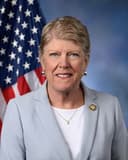
1 + 0
D· California
YRS IN OFFICE
13
BILLS LED
54
ACTION TIMELINE
3 EVENTSDEC 19
Referred to the Subcommittee on Disability Assistance and Memorial Affairs.
JUL 23
Introduced in House
JUL 23
Referred to the House Committee on Veterans' Affairs.
BILL INFO
TypeHouse Bill
NumberHR 4637
Congress119th
StatusIn Committee
IntroducedJul 23, 2025
Last actionDec 19, 2025
READER REACTIONS
OVERALL SENTIMENT
No reactions yet. Be the first to weigh in.
Discussion
Loading comments...
IN COMMITTEE· 119TH CONGRESS · VETERANS' AFFAIRS COMMITTEE · INTRODUCED JUL 23, 2025
House BillHR 4637Armed Forces and National Security
Veterans’ Surviving Spouse Equity Act of 2025
INTRODUCED JUL 23, 2025· LAST ACTION DEC 19, 2025
PASSAGE CHANCES
—%
READING
2 min
COSPONSORS
0
COMPLEXITY
Moderate