Bills · HR 4530
IN COMMITTEE· 119TH CONGRESS
House BillHR 4530Foreign Trade and International Finance
STOP Shells Act
INTRO JUL 17· LAST ACTION JUL 17
READING
3MIN
COSPONSORS
3BIPARTISAN
READER REACTIONS0 TOTAL
NO VOTES YET · BE THE FIRST
- Introduced only
LEGISLATIVE PROGRESS
STEP 2 / 8Introduced
In Committee
Reported
Passed House
Passed Senate
Conference
To President
Became Law
WHAT THE BILL DOES
AI-writtenThis bill matters because it aims to close a potential loophole in how the U.S. controls the export of sensitive technology. Currently, a foreign entity on a U.S. government blacklist might be able to acquire U.S. products or technology by using a subsidiary that is not explicitly on the list. If this bill passes, it would significantly broaden the reach of U.S. export controls, making it more difficult for blacklisted entities, especially those deemed a threat to national security, to access critical U.S. innovations.
For voters, this could mean enhanced national security by better protecting U.S. technological advantages, but it might also lead to increased compliance burdens for U.S. businesses engaged in international trade. If the bill doesn't pass, the existing loophole remains, potentially allowing foreign adversaries to continue circumventing U.S. export restrictions through affiliated companies.
KEY PROVISIONS
3AI-extractedPROVISION 01
Requires licensing for exports to foreign affiliates owned 50% or more by entities on the Entity List or Military End User List.
This provision aims to prevent blacklisted entities from circumventing export controls by operating through their partially owned subsidiaries.
PROVISION 02
Mandates that the Secretary of Commerce assess the impact of the Foreign Direct Product Rule before adding an entity to the restricted lists and notify Congress.
This ensures a more comprehensive review of how export controls will apply and keeps Congress informed of these decisions.
PROVISION 03
Authorizes the Secretary of Commerce to issue waivers for national security interests on a case-by-case basis, with congressional notification.
This provides flexibility to address specific situations while maintaining transparency and oversight from Congress.
SPONSORSHIP
1 + 3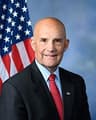
R· Texas
YRS IN OFFICE
3
BILLS LED
57
COSPONSOR BREAKDOWNBIPARTISAN · 66%
DEM 2 REP 1 IND 0
ACTION TIMELINE
2 EVENTSJUL 17
Introduced in House
JUL 17
Referred to the House Committee on Foreign Affairs.
BILL INFO
TypeHouse Bill
NumberHR 4530
Congress119th
StatusIn Committee
IntroducedJul 17, 2025
Last actionJul 17, 2025
READER REACTIONS
OVERALL SENTIMENT
No reactions yet. Be the first to weigh in.
Discussion
Loading comments...
IN COMMITTEE· 119TH CONGRESS · FOREIGN AFFAIRS COMMITTEE · INTRODUCED JUL 17, 2025
House BillHR 4530Foreign Trade and International Finance
STOP Shells Act
INTRODUCED JUL 17, 2025· LAST ACTION JUL 17, 2025
PASSAGE CHANCES
—%
READING
3 min
COSPONSORS
3
COMPLEXITY
Moderate