Bills · HR 450
IN COMMITTEE· 119TH CONGRESS
House BillHR 450International Affairs
FORCE Act
INTRO JAN 15· LAST ACTION JAN 15
READING
2MIN
COSPONSORS
30
READER REACTIONS0 TOTAL
NO VOTES YET · BE THE FIRST
- Introduced only
LEGISLATIVE PROGRESS
STEP 2 / 8Introduced
In Committee
Reported
Passed House
Passed Senate
Conference
To President
Became Law
WHAT THE BILL DOES
AI-writtenVoters should care about this bill because it directly impacts U.S. foreign policy towards Cuba and the Cuban economy. If this bill becomes law, it would significantly tighten the requirements for Cuba to be removed from the list of state sponsors of terrorism, linking it to major political reforms in Cuba rather than solely to its current actions related to terrorism.
This means continued, strict economic and financial penalties for Cuba, which could hinder its economic development and interaction with the global community. If it doesn't become law, future Presidents would retain more flexibility to decide whether Cuba should remain on the list based on current actions, potentially allowing for a different approach to U.S.-Cuba relations. It also touches on the balance of power between Congress and the Executive Branch in setting foreign policy.
KEY PROVISIONS
3AI-extractedPROVISION 01
Prohibits the President or Secretary of State from removing Cuba from the list of state sponsors of terrorism.
This provision limits the executive branch's discretion in a significant foreign policy decision regarding Cuba.
PROVISION 02
Cuba can only be removed from the list if the President makes a specific determination tied to section 205 of the 1996 LIBERTAD Act.
This links Cuba's removal from the terrorism list to a fundamental change in its government structure, including democratic reforms and human rights, rather than solely its support for terrorism.
PROVISION 03
Defines "state sponsor of terrorism" by referencing existing U.S. laws regarding support for international terrorism.
This clarifies the legal basis for the designation, reinforcing the existing framework for identifying such states.
SPONSORSHIP
1 + 30
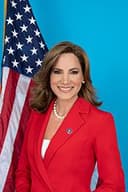
R· Florida
YRS IN OFFICE
5
BILLS LED
19
COSPONSOR BREAKDOWNBIPARTISAN · 0%
DEM 0 REP 30 IND 0
ACTION TIMELINE
2 EVENTSJAN 15
Introduced in House
JAN 15
Referred to the House Committee on Foreign Affairs.
BILL INFO
TypeHouse Bill
NumberHR 450
Congress119th
StatusIn Committee
IntroducedJan 15, 2025
Last actionJan 15, 2025
READER REACTIONS
OVERALL SENTIMENT
No reactions yet. Be the first to weigh in.
Discussion
Loading comments...
IN COMMITTEE· 119TH CONGRESS · FOREIGN AFFAIRS COMMITTEE · INTRODUCED JAN 15, 2025
House BillHR 450International Affairs
FORCE Act
INTRODUCED JAN 15, 2025· LAST ACTION JAN 15, 2025
PASSAGE CHANCES
—%
READING
2 min
COSPONSORS
30
COMPLEXITY
Moderate