Bills · HR 449
IN COMMITTEE· 119TH CONGRESS
House BillHR 449Immigration
To amend the Immigration and Nationality Act to waive certain naturalization requirements for United States nationals, and for other purposes.
INTRO JAN 15· LAST ACTION JAN 15
READING
4MIN
COSPONSORS
0
READER REACTIONS0 TOTAL
NO VOTES YET · BE THE FIRST
- Introduced only
LEGISLATIVE PROGRESS
STEP 2 / 8Introduced
In Committee
Reported
Passed House
Passed Senate
Conference
To President
Became Law
WHAT THE BILL DOES
AI-writtenThis bill matters because it addresses the unique status of United States nationals, who are often in a citizenship limbo, owing allegiance to the U.S. but lacking full rights. If it becomes law, it would significantly ease the path to full U.S. citizenship for thousands of people, particularly those from places like American Samoa, who are currently restricted in their civic participation and career opportunities, especially in the military where citizenship is required for commissioned officer roles and security clearances.
If this bill does not become law, United States nationals will continue to face the existing, more stringent naturalization requirements, which include potentially moving to a U.S. state, passing English language and civics tests, and paying standard fees. This bill's passage would remove these barriers, potentially increasing citizen participation from U.S. territories and better integrating these long-standing communities into the full fabric of the nation. The specific waivers for the Oath of Allegiance and good moral character requirements, if enacted, would also represent a significant philosophical shift in how naturalization is approached for this particular group, which could be a point of considerable debate.
KEY PROVISIONS
5AI-extractedPROVISION 01
Waives English language and civics tests for United States nationals born and continuously residing in a U.S. outlying possession to become citizens.
This removes significant educational barriers for a specific group of U.S. nationals seeking citizenship.
PROVISION 02
Waives the Oath of Allegiance and good moral character requirements for United States nationals born and continuously residing in a U.S. outlying possession.
This is a major departure from standard naturalization requirements, as these are fundamental to the process for other applicants.
PROVISION 03
Allows naturalization applications, interviews, and ceremonies to be conducted within U.S. outlying possessions.
This eliminates the need for applicants from these territories to travel to a U.S. state for the process, making it more accessible.
PROVISION 04
Authorizes the Secretary of Homeland Security to waive personal interviews and impose reduced fees for naturalization applications from U.S. nationals in outlying possessions.
This further streamlines the process and reduces financial burdens for eligible applicants.
PROVISION 05
Expands eligibility for children of U.S. nationals or citizens who live in outlying possessions to become citizens.
This simplifies the path to citizenship for a new generation within these U.S. territories.
SPONSORSHIP
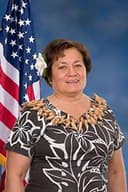
1 + 0
R· American Samoa
YRS IN OFFICE
11
BILLS LED
8
ACTION TIMELINE
2 EVENTSJAN 15
Introduced in House
JAN 15
Referred to the House Committee on the Judiciary.
BILL INFO
TypeHouse Bill
NumberHR 449
Congress119th
StatusIn Committee
IntroducedJan 15, 2025
Last actionJan 15, 2025
READER REACTIONS
OVERALL SENTIMENT
No reactions yet. Be the first to weigh in.
Discussion
Loading comments...
IN COMMITTEE· 119TH CONGRESS · JUDICIARY COMMITTEE · INTRODUCED JAN 15, 2025
House BillHR 449Immigration
To amend the Immigration and Nationality Act to waive certain naturalization requirements for United States nationals, and for other purposes.
INTRODUCED JAN 15, 2025· LAST ACTION JAN 15, 2025
PASSAGE CHANCES
—%
READING
4 min
COSPONSORS
0
COMPLEXITY
Moderate