Bills · HR 4458
IN COMMITTEE· 119TH CONGRESS
House BillHR 4458International Affairs
COUNTER Act of 2025
INTRO JUL 16· LAST ACTION JUL 16
READING
7MIN
COSPONSORS
3
READER REACTIONS0 TOTAL
NO VOTES YET · BE THE FIRST
- Introduced only
LEGISLATIVE PROGRESS
STEP 2 / 8Introduced
In Committee
Reported
Passed House
Passed Senate
Conference
To President
Became Law
WHAT THE BILL DOES
AI-writtenVoters should care about this bill because it directly addresses the United States' approach to China's growing military influence globally. If passed, it means the government would have a formal, comprehensive strategy to counter China's expansion of military bases abroad, which could impact global power balances and U.S. national security interests. It aims to ensure a proactive, coordinated response rather than a reactive, case-by-case approach.
Without this bill, the U.S. government might continue addressing China's overseas basing efforts without a unified, overarching plan or a clear assessment of the overall risk. This bill seeks to force a deeper evaluation and a more strategic, whole-of-government approach to what lawmakers see as a critical national security challenge, potentially affecting everything from international relations and trade routes to military readiness and regional stability.
KEY PROVISIONS
4AI-extractedPROVISION 01
Requires the Director of National Intelligence to submit an intelligence assessment of the risks posed by China's global basing efforts to the U.S. and its allies.
This ensures a comprehensive understanding of the threats before developing a counter-strategy.
PROVISION 02
Mandates the Secretary of State, in coordination with the Secretary of Defense, to develop and submit a strategy to counter China's global basing intentions.
This provision creates a formal, unified U.S. government plan to address a significant geopolitical challenge.
PROVISION 03
The strategy must identify at least five high-risk locations where China maintains or seeks a military or security presence.
This focuses government efforts on the most critical areas of concern regarding China's global expansion.
PROVISION 04
The strategy must detail all executive branch entities involved in addressing China's global basing, including their resource needs and constraints.
This ensures interagency coordination and proper allocation of resources to tackle the issue effectively.
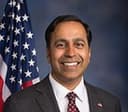
SPONSORSHIP
1 + 3
D· Illinois
YRS IN OFFICE
9
BILLS LED
42
COSPONSOR BREAKDOWNBIPARTISAN · 0%
DEM 0 REP 3 IND 0
ACTION TIMELINE
2 EVENTSJUL 16
Introduced in House
JUL 16
Referred to the Committee on Foreign Affairs, and in addition to the Committee on Intelligence (Permanent Select), for a period to be subsequently determined by the Speaker, in each case for consideration of such provisions as fall within the jurisdiction of the committee concerned.
BILL INFO
TypeHouse Bill
NumberHR 4458
Congress119th
StatusIn Committee
IntroducedJul 16, 2025
Last actionJul 16, 2025
READER REACTIONS
OVERALL SENTIMENT
No reactions yet. Be the first to weigh in.
Discussion
Loading comments...
IN COMMITTEE· 119TH CONGRESS · INTELLIGENCE (PERMANENT SELECT) COMMITTEE · INTRODUCED JUL 16, 2025
House BillHR 4458International Affairs
COUNTER Act of 2025
INTRODUCED JUL 16, 2025· LAST ACTION JUL 16, 2025
PASSAGE CHANCES
—%
READING
7 min
COSPONSORS
3
COMPLEXITY
Moderate