Bills · HR 4409
IN COMMITTEE· 119TH CONGRESS
House BillHR 4409Health
Fair Pharmacies for Federal Employees Act of 2025
INTRO JUL 15· LAST ACTION JUL 15
READING
4MIN
COSPONSORS
2BIPARTISAN
READER REACTIONS0 TOTAL
NO VOTES YET · BE THE FIRST
- Introduced only
LEGISLATIVE PROGRESS
STEP 2 / 8Introduced
In Committee
Reported
Passed House
Passed Senate
Conference
To President
Became Law
WHAT THE BILL DOES
AI-writtenVoters should care about this bill because it addresses a long-standing concern about conflicts of interest in the prescription drug market, particularly within the system that provides health benefits to federal workers. Currently, some companies involved in providing health insurance or managing drug benefits also own the pharmacies where people fill their prescriptions. This setup can create an incentive for these integrated companies to steer patients to their own pharmacies, potentially limiting competition, restricting patient choice, and obscuring the true cost of medications.
If this bill becomes law, it could foster more competition among pharmacies and Pharmacy Benefit Managers by untangling these ownership structures for federal employee health plans. This separation might lead to more transparent drug pricing and potentially lower out-of-pocket costs for federal employees. If the bill does not pass, the existing integrated ownership models would continue, and the concerns about self-dealing and limited competition within the FEHB program would likely persist.
KEY PROVISIONS
4AI-extractedPROVISION 01
Prohibits the Office of Personnel Management (OPM) from contracting with a federal employee health plan carrier that owns a pharmacy.
This aims to prevent health insurance providers from having a direct financial interest in drug dispensing for federal employees.
PROVISION 02
Prohibits OPM from contracting with a federal employee health plan carrier that owns a Pharmacy Benefit Manager (PBM), or is owned by a PBM.
This seeks to separate the health insurance provider from the entity that manages prescription drug benefits.
PROVISION 03
Prohibits OPM or federal employee health plan carriers from contracting with a PBM that owns a pharmacy.
This ensures that the companies managing drug benefits for federal employees do not also directly profit from dispensing the drugs.
PROVISION 04
Provides broad definitions for 'pharmacy' to include retail, mail-order, specialty, hospital, and other types of pharmacies.
This ensures the ownership prohibitions cover a wide range of drug dispensing entities, preventing easy loopholes.
SPONSORSHIP
1 + 2
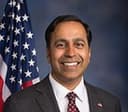
D· Illinois
YRS IN OFFICE
9
BILLS LED
42
COSPONSOR BREAKDOWNBIPARTISAN · 100%
DEM 1 REP 1 IND 0
ACTION TIMELINE
2 EVENTSJUL 15
Introduced in House
JUL 15
Referred to the House Committee on Oversight and Government Reform.
BILL INFO
TypeHouse Bill
NumberHR 4409
Congress119th
StatusIn Committee
IntroducedJul 15, 2025
Last actionJul 15, 2025
READER REACTIONS
OVERALL SENTIMENT
No reactions yet. Be the first to weigh in.
Discussion
Loading comments...
IN COMMITTEE· 119TH CONGRESS · OVERSIGHT AND GOVERNMENT REFORM COMMITTEE · INTRODUCED JUL 15, 2025
House BillHR 4409Health
Fair Pharmacies for Federal Employees Act of 2025
INTRODUCED JUL 15, 2025· LAST ACTION JUL 15, 2025
PASSAGE CHANCES
—%
READING
4 min
COSPONSORS
2
COMPLEXITY
Moderate