Bills · HR 4389
IN COMMITTEE· 119TH CONGRESS
House BillHR 4389Taxation
Religious Exemptions for Social Security and Healthcare Taxes Act
INTRO JUL 15· LAST ACTION JUL 15
READING
2MIN
COSPONSORS
2
READER REACTIONS0 TOTAL
NO VOTES YET · BE THE FIRST
- Introduced only
LEGISLATIVE PROGRESS
STEP 2 / 8Introduced
In Committee
Reported
Passed House
Passed Senate
Conference
To President
Became Law
WHAT THE BILL DOES
AI-writtenThis bill is important because it addresses questions of religious freedom and tax equity. If it becomes law, it would ensure that employees, like their self-employed counterparts, are not compelled to financially contribute to federal insurance programs if it conflicts with their sincerely held religious beliefs. This change could be seen as upholding individual conscience and expanding a religious accommodation already present in the tax code.
Without this bill, employees whose religious faiths object to such insurance would continue to have these taxes deducted from their pay, while self-employed individuals from similar faiths would remain exempt. Its passage would mean a more consistent application of religious exemptions across different employment statuses regarding Social Security and Medicare contributions.
KEY PROVISIONS
3AI-extractedPROVISION 01
Provides a tax credit or refund for federal insurance taxes (Social Security and Medicare) paid by employees.
This allows employees with specific religious objections to reclaim taxes deducted for these federal programs.
PROVISION 02
Establishes eligibility for this credit or refund for employees who are members of religious faiths that conscientiously oppose participation in 'such insurance'.
It clearly defines who can use this exemption, focusing on specific religious grounds.
PROVISION 03
Requires individuals to file an application for authorization to receive this credit or refund, following rules similar to those for self-employed individuals.
This outlines the administrative process necessary for individuals to claim the exemption.
SPONSORSHIP
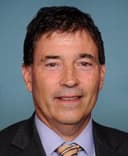
1 + 2
R· Ohio
YRS IN OFFICE
8
BILLS LED
23
COSPONSOR BREAKDOWNBIPARTISAN · 0%
DEM 0 REP 2 IND 0
ACTION TIMELINE
2 EVENTSJUL 15
Introduced in House
JUL 15
Referred to the House Committee on Ways and Means.
BILL INFO
TypeHouse Bill
NumberHR 4389
Congress119th
StatusIn Committee
IntroducedJul 15, 2025
Last actionJul 15, 2025
READER REACTIONS
OVERALL SENTIMENT
No reactions yet. Be the first to weigh in.
Discussion
Loading comments...
IN COMMITTEE· 119TH CONGRESS · WAYS AND MEANS COMMITTEE · INTRODUCED JUL 15, 2025
House BillHR 4389Taxation
Religious Exemptions for Social Security and Healthcare Taxes Act
INTRODUCED JUL 15, 2025· LAST ACTION JUL 15, 2025
PASSAGE CHANCES
—%
READING
2 min
COSPONSORS
2
COMPLEXITY
Moderate