Bills · HR 4371
PASSED HOUSE· 119TH CONGRESS
House BillHR 4371Detention of personsSmuggling and trafficking
Kayla Hamilton Act
INTRO JUL 14· LAST ACTION DEC 17
READING
9MIN
COSPONSORS
2
READER REACTIONS0 TOTAL
NO VOTES YET · BE THE FIRST
- One chamber only
LEGISLATIVE PROGRESS
STEP 4 / 8Introduced
In Committee
Reported
Passed House
Passed Senate
Conference
To President
Became Law
WHAT THE BILL DOES
AI-writtenThis bill matters to voters because it changes a key part of how the U.S. government handles vulnerable children who arrive at the border alone. If this bill becomes law, it aims to enhance safety measures by preventing unaccompanied children from being placed with individuals who might exploit them or pose a risk to the community. Proponents believe it will also help ensure these children show up for their immigration court hearings.
On the other hand, the bill could lead to more children being held in secure detention facilities for longer periods, rather than being released to family or sponsors in the community. It also drastically limits who can care for these children by requiring sponsors to be U.S. citizens or green card holders and have no criminal record, which could reduce available placements and potentially separate children from relatives who don't meet these strict criteria. This could lead to humanitarian concerns about child welfare and the capacity of the federal government to house these children.
KEY PROVISIONS
4AI-extractedPROVISION 01
Requires the Department of Health and Human Services (HHS) to consult with Homeland Security and the Attorney General before placing an unaccompanied child, to ensure the child attends court hearings, is protected from exploitation, and to assess risks like flight or danger.
This aims to increase inter-agency coordination and enhance child safety and immigration enforcement during placement decisions.
PROVISION 02
Mandates that for unaccompanied children aged 12 or older, HHS must seek criminal records from their home country's consulate and screen them for gang-related tattoos or markings.
This provision introduces more rigorous screening specifically targeting potential gang affiliation and criminal history in older children.
PROVISION 03
Prohibits the release of any unaccompanied child on their own recognizance and requires secure facility placement for children aged 12 or older who are deemed a flight risk or a danger, including those with gang ties or serious criminal convictions.
This ensures tighter control over the movement of unaccompanied children and mandates detention for those identified as higher risk, changing the default approach to release.
PROVISION 04
Forbids HHS from placing unaccompanied children with anyone who is not a U.S. citizen or a lawful permanent resident, or with individuals (or in households with individuals) who have a conviction for a wide range of crimes, including felonies.
This significantly narrows the pool of eligible sponsors, prioritizing citizenship status and extensive criminal background checks, which could impact family reunification efforts.
SPONSORSHIP
1 + 2
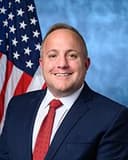
R· South Carolina
YRS IN OFFICE
3
BILLS LED
19
COSPONSOR BREAKDOWNBIPARTISAN · 0%
DEM 0 REP 2 IND 0
ACTION TIMELINE
22 EVENTSDEC 17
Received in the Senate.
DEC 16
Rules Committee Resolution H. Res. 951 Reported to House. Rule provides for consideration of H.R. 4776, H.R. 1366, H.R. 845, H.R. 3616, H.R. 3632 and H.R. 4371. The resolution provides for consideration of H.R. 4776, under a structured rule and H.R. 1366, H.R. 845, H.R. 3616, H.R. 3632, and H.R. 4371 under a closed rule. The resolution provides one motion to recommit on each bill.
DEC 16
Rule H. Res. 951 passed House.
DEC 16
Considered under the provisions of rule H. Res. 951. (consideration: CR H5921-5927)
BILL INFO
TypeHouse Bill
NumberHR 4371
Congress119th
StatusPassed House
IntroducedJul 14, 2025
Last actionDec 17, 2025
READER REACTIONS
OVERALL SENTIMENT
No reactions yet. Be the first to weigh in.
Discussion
Loading comments...
PASSED HOUSE· 119TH CONGRESS · JUDICIARY COMMITTEE · INTRODUCED JUL 14, 2025
House BillHR 4371Detention of personsSmuggling and trafficking
Kayla Hamilton Act
INTRODUCED JUL 14, 2025· LAST ACTION DEC 17, 2025
PASSAGE CHANCES
—%
READING
9 min
COSPONSORS
2
COMPLEXITY
Moderate