Bills · HR 4316
IN COMMITTEE· 119TH CONGRESS
House BillHR 4316Armed Forces and National Security
Fight for the American Dream Act
INTRO JUL 10· LAST ACTION JUL 10
READING
3MIN
COSPONSORS
2
READER REACTIONS0 TOTAL
NO VOTES YET · BE THE FIRST
- Introduced only
LEGISLATIVE PROGRESS
STEP 2 / 8Introduced
In Committee
Reported
Passed House
Passed Senate
Conference
To President
Became Law
WHAT THE BILL DOES
AI-writtenThis bill matters because it addresses both military recruitment needs and the legal status of a specific group of non-citizens. By allowing DACA recipients to enlist, it could help fill critical roles in the Armed Forces, potentially bolstering military readiness at a time when recruitment can be challenging. For DACA recipients, it offers a tangible path to citizenship through service, fulfilling what some see as a "dream" or a way to earn their place in the country they grew up in. If this bill becomes law, it provides a direct mechanism for DACA recipients to contribute formally to national defense and achieve a secure legal status. If it doesn't become law, DACA recipients will continue to be largely ineligible for military service, and the military naturalization process will remain as it currently is, with separate rules for peacetime and wartime service and more limited pathways for reservists.
KEY PROVISIONS
3AI-extractedPROVISION 01
Authorizes DACA recipients with employment authorization documents to enlist in the U.S. Armed Forces.
This creates a new pathway for DACA recipients to serve and potentially achieve citizenship.
PROVISION 02
Strikes the existing section covering naturalization during peacetime military service (Section 328 of the Immigration and Nationality Act).
This simplifies the legal framework by removing a separate set of rules for peacetime naturalization.
PROVISION 03
Amends the section for naturalization during wartime service (Section 329) to cover all military service, including active duty and the Selected Reserve.
This streamlines the naturalization process, making it uniform and accessible to a broader range of military personnel, regardless of wartime status.
SPONSORSHIP
1 + 2
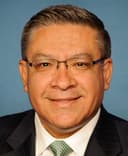
D· California
YRS IN OFFICE
9
BILLS LED
36
COSPONSOR BREAKDOWNBIPARTISAN · 0%
DEM 2 REP 0 IND 0
ACTION TIMELINE
2 EVENTSJUL 10
Introduced in House
JUL 10
Referred to the Committee on Armed Services, and in addition to the Committee on the Judiciary, for a period to be subsequently determined by the Speaker, in each case for consideration of such provisions as fall within the jurisdiction of the committee concerned.
BILL INFO
TypeHouse Bill
NumberHR 4316
Congress119th
StatusIn Committee
IntroducedJul 10, 2025
Last actionJul 10, 2025
READER REACTIONS
OVERALL SENTIMENT
No reactions yet. Be the first to weigh in.
Discussion
Loading comments...
IN COMMITTEE· 119TH CONGRESS · JUDICIARY COMMITTEE · INTRODUCED JUL 10, 2025
House BillHR 4316Armed Forces and National Security
Fight for the American Dream Act
INTRODUCED JUL 10, 2025· LAST ACTION JUL 10, 2025
PASSAGE CHANCES
—%
READING
3 min
COSPONSORS
2
COMPLEXITY
Moderate