Bills · HR 4265
IN COMMITTEE· 119TH CONGRESS
House BillHR 4265Health
Reproductive Health Travel Fund Act of 2025
INTRO JUN 30· LAST ACTION JUN 30
READING
8MIN
COSPONSORS
30
READER REACTIONS0 TOTAL
NO VOTES YET · BE THE FIRST
- Introduced only
LEGISLATIVE PROGRESS
STEP 2 / 8Introduced
In Committee
Reported
Passed House
Passed Senate
Conference
To President
Became Law
WHAT THE BILL DOES
AI-writtenVoters should care about this bill because it directly addresses the challenges many Americans face in accessing abortion services following the Supreme Court's decision to overturn Roe v. Wade. If this bill becomes law, it would create a federal mechanism to financially support individuals who must travel out-of-state for abortion care, potentially making access more equitable for people who can't afford the travel and related costs.
Without this law, individuals in states with abortion bans or severe restrictions will continue to bear the full burden of travel expenses and logistical challenges, which can be prohibitive for many, especially those already facing economic hardship or systemic barriers to healthcare. This bill seeks to mitigate some of those financial and logistical obstacles, aiming to ensure that a person's ability to travel doesn't solely determine their access to abortion services.
KEY PROVISIONS
4AI-extractedPROVISION 01
Authorizes the Secretary of the Treasury to award grants to eligible organizations.
This establishes the federal authority and mechanism for providing financial assistance related to abortion access.
PROVISION 02
Grant funds must be used for travel-related expenses and logistical support for individuals accessing abortion services.
This defines the specific purpose of the federal money, focusing on practical barriers to care.
PROVISION 03
Permissible uses of funds include round-trip travel, lodging, meals, childcare, translation services, doula care, and patient education.
This specifies the types of support that can be covered, directly addressing common obstacles faced by individuals seeking care.
PROVISION 04
The Secretary of the Treasury must begin soliciting grant applications within 30 days of the bill's enactment.
This sets a clear timeline for the implementation of the grant program, indicating urgency.
SPONSORSHIP
1 + 30
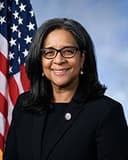
D· Washington
YRS IN OFFICE
5
BILLS LED
28
COSPONSOR BREAKDOWNBIPARTISAN · 0%
DEM 30 REP 0 IND 0
ACTION TIMELINE
2 EVENTSJUN 30
Introduced in House
JUN 30
Referred to the House Committee on Energy and Commerce.
BILL INFO
TypeHouse Bill
NumberHR 4265
Congress119th
StatusIn Committee
IntroducedJun 30, 2025
Last actionJun 30, 2025
READER REACTIONS
OVERALL SENTIMENT
No reactions yet. Be the first to weigh in.
Discussion
Loading comments...
IN COMMITTEE· 119TH CONGRESS · ENERGY AND COMMERCE COMMITTEE · INTRODUCED JUN 30, 2025
House BillHR 4265Health
Reproductive Health Travel Fund Act of 2025
INTRODUCED JUN 30, 2025· LAST ACTION JUN 30, 2025
PASSAGE CHANCES
—%
READING
8 min
COSPONSORS
30
COMPLEXITY
Moderate