Bills · HR 4263
IN COMMITTEE· 119TH CONGRESS
House BillHR 4263International Affairs
123 GO Act
INTRO JUN 30· LAST ACTION JUN 30
READING
2MIN
COSPONSORS
4
READER REACTIONS0 TOTAL
NO VOTES YET · BE THE FIRST
- Introduced only
LEGISLATIVE PROGRESS
STEP 2 / 8Introduced
In Committee
Reported
Passed House
Passed Senate
Conference
To President
Became Law
WHAT THE BILL DOES
AI-writtenThis bill matters because it aims to solidify the United States' position as a global leader in nuclear energy technology. By actively promoting U.S. nuclear exports, it could create jobs and stimulate economic growth within the American nuclear industry, which includes advanced reactor development and fuel cycle services. Voters might care about the economic benefits, the potential for clean energy adoption globally, and the national security implications of ensuring U.S. nuclear technology is used responsibly.
If this bill becomes law, it would lead to a more aggressive and coordinated effort by the U.S. government to compete in the international nuclear market, potentially expanding the reach of American nuclear innovation and setting global safety standards. If it doesn't pass, the U.S. might continue to lose market share to competitors like Russia or China, potentially missing out on economic opportunities and lessening its influence over how nuclear energy is developed and managed worldwide. It connects to issues of energy independence, climate change (through promoting a low-carbon energy source), and international diplomacy.
KEY PROVISIONS
4AI-extractedPROVISION 01
The Secretary of State is directed to lead diplomatic efforts and negotiations for new international agreements that allow for peaceful nuclear cooperation (known as '123 agreements').
This centralizes and prioritizes the diplomatic effort to expand U.S. nuclear partnerships globally.
PROVISION 02
The bill sets a specific goal for the Secretary of State to achieve at least 20 new '123 agreements' before January 3, 2029.
This provision creates a concrete, measurable target for expanding U.S. nuclear cooperation with other countries within a defined timeframe.
PROVISION 03
The Secretary of State must seek to renegotiate or renew existing '123 agreements' that are scheduled to expire within 10 years after the bill becomes law.
This ensures the continuity of existing nuclear cooperation relationships and prevents the loss of established partnerships.
PROVISION 04
A new program will be implemented to boost the global competitiveness of U.S. nuclear suppliers, investors, and lenders.
This directly supports American businesses in the nuclear sector, helping them secure international projects and increasing U.S. exports.
SPONSORSHIP
1 + 4
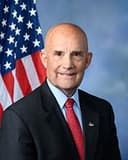
R· Texas
YRS IN OFFICE
3
BILLS LED
57
COSPONSOR BREAKDOWNBIPARTISAN · 0%
DEM 0 REP 4 IND 0
ACTION TIMELINE
2 EVENTSJUN 30
Introduced in House
JUN 30
Referred to the Committee on Foreign Affairs, and in addition to the Committees on Armed Services, Energy and Commerce, Financial Services, and Science, Space, and Technology, for a period to be subsequently determined by the Speaker, in each case for consideration of such provisions as fall within the jurisdiction of the committee concerned.
BILL INFO
TypeHouse Bill
NumberHR 4263
Congress119th
StatusIn Committee
IntroducedJun 30, 2025
Last actionJun 30, 2025
READER REACTIONS
OVERALL SENTIMENT
No reactions yet. Be the first to weigh in.
Discussion
Loading comments...
IN COMMITTEE· 119TH CONGRESS · SCIENCE, SPACE, AND TECHNOLOGY COMMITTEE · INTRODUCED JUN 30, 2025
House BillHR 4263International Affairs
123 GO Act
INTRODUCED JUN 30, 2025· LAST ACTION JUN 30, 2025
PASSAGE CHANCES
—%
READING
2 min
COSPONSORS
4
COMPLEXITY
Moderate