Bills · HR 426
IN COMMITTEE· 119TH CONGRESS
House BillHR 426Emergency Management
Housing Survivors of Major Disasters Act
INTRO JAN 15· LAST ACTION JAN 16
READING
5MIN
COSPONSORS
0BIPARTISAN
READER REACTIONS0 TOTAL
NO VOTES YET · BE THE FIRST
- Introduced only
LEGISLATIVE PROGRESS
STEP 2 / 8Introduced
In Committee
Reported
Passed House
Passed Senate
Conference
To President
Became Law
WHAT THE BILL DOES
AI-writtenThis bill matters because it addresses a common problem after major disasters: many people, especially those in vulnerable communities, lose homes they've lived in for generations but lack formal deeds or titles. Current FEMA rules can make it difficult for these 'constructive owners' to get the help they need, leaving them without shelter or resources to rebuild. By expanding what FEMA considers as proof of ownership, the bill aims to ensure that more survivors receive vital assistance, preventing prolonged displacement and hardship. If this bill becomes law, more disaster survivors who are genuinely homeowners but lack formal documentation could access federal aid, speeding up recovery efforts and making them more equitable. If it doesn't pass, many people in similar situations will continue to face barriers to assistance, exacerbating post-disaster crises and potentially hindering the recovery of entire communities. It also provides more flexibility for FEMA to choose cost-effective housing solutions, potentially leading to more efficient use of taxpayer money in the long run.
KEY PROVISIONS
4AI-extractedPROVISION 01
Allows FEMA to consider a broad range of evidence, including sworn statements (without notarization), for "constructive ownership" to determine disaster assistance eligibility when traditional ownership documents are missing.
This makes it much easier for disaster survivors who lack formal deeds or titles to qualify for crucial housing aid.
PROVISION 02
Changes eligibility for certain housing assistance from a home being "rendered uninhabitable" to simply "damaged by a major disaster."
This expands the number of homes and individuals who can qualify for federal housing assistance after a disaster.
PROVISION 03
Amends the Stafford Act to allow the President (through FEMA) to provide permanent or semi-permanent housing construction if it's a cost-effective alternative to other housing solutions.
This provides FEMA with more flexibility to offer longer-term, potentially more stable, housing solutions for survivors.
PROVISION 04
Removes time limits from a pilot program that offers grants for repairing or rebuilding multi-family housing after a disaster.
This makes an important program that supports housing for multiple families ongoing, rather than temporary, providing consistent support.
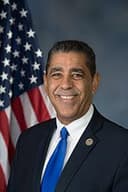
SPONSORSHIP
1 + 0
D· New York
YRS IN OFFICE
9
BILLS LED
0
BILL INFO
TypeHouse Bill
NumberHR 426
Congress119th
StatusIn Committee
IntroducedJan 15, 2025
Last actionJan 16, 2025
READER REACTIONS
OVERALL SENTIMENT
No reactions yet. Be the first to weigh in.
Discussion
Loading comments...
IN COMMITTEE· 119TH CONGRESS · TRANSPORTATION AND INFRASTRUCTURE COMMITTEE · INTRODUCED JAN 15, 2025
House BillHR 426Emergency Management
Housing Survivors of Major Disasters Act
INTRODUCED JAN 15, 2025· LAST ACTION JAN 16, 2025
PASSAGE CHANCES
—%
READING
5 min
COSPONSORS
0
COMPLEXITY
Moderate