Bills · HR 425
REPORTED· 119TH CONGRESS
House BillHR 425Fraud offenses and financial crimesDepartment of the Treasury
Repealing Big Brother Overreach Act
INTRO JAN 15· LAST ACTION JUN 18
READING
5MIN
COSPONSORS
193
READER REACTIONS0 TOTAL
NO VOTES YET · BE THE FIRST
- Reported, not passed
LEGISLATIVE PROGRESS
STEP 3 / 8Introduced
In Committee
Reported
Passed House
Passed Senate
Conference
To President
Became Law
WHAT THE BILL DOES
AI-writtenThis bill matters because it represents a significant shift in how the U.S. government approaches corporate transparency and the fight against financial crime. If it becomes law, it removes a requirement intended to prevent criminals from hiding their identities behind shell companies to fund illegal activities, potentially making it easier for illicit money to flow through the financial system undetected.
For businesses, particularly small ones, repealing the Corporate Transparency Act would remove a new compliance requirement, saving them time and resources that would otherwise be spent identifying and reporting their beneficial owners. However, without this law, the U.S. might be seen as a less transparent place to do business globally, potentially impacting its efforts to combat global financial crime and maintain its reputation among international partners.
KEY PROVISIONS
3AI-extractedPROVISION 01
The bill completely eliminates the Corporate Transparency Act (CTA) from U.S. law.
This means companies would no longer be required to report their true owners to the federal government.
PROVISION 02
It removes Section 5336 from specific parts of Title 31, United States Code, and other related amendments.
This ensures that other existing laws no longer reference or depend on the repealed Corporate Transparency Act.
PROVISION 03
It repeals Section 6502 of the Anti-Money Laundering Act of 2020 and makes changes to Section 6509.
These are technical adjustments to remove or modify sections that were related to the CTA within broader anti-money laundering legislation.
SPONSORSHIP
1 + 193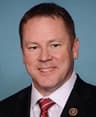
R· Ohio
YRS IN OFFICE
10
BILLS LED
43
COSPONSOR BREAKDOWNBIPARTISAN · 0%
DEM 0 REP 193 IND 0
ACTION TIMELINE
12 EVENTSJUN 18
Reported (Amended) by the Committee on Financial Services. H. Rept. 119-701.
JUN 18
Placed on the Union Calendar, Calendar No. 609.
APR 21
Committee Consideration and Mark-up Session Held
APR 21
Ordered to be Reported by the Yeas and Nays: 26 - 25.
BILL INFO
TypeHouse Bill
NumberHR 425
Congress119th
StatusReported
IntroducedJan 15, 2025
Last actionJun 18, 2026
READER REACTIONS
OVERALL SENTIMENT
No reactions yet. Be the first to weigh in.
Discussion
Loading comments...
REPORTED· 119TH CONGRESS · FINANCIAL SERVICES COMMITTEE · INTRODUCED JAN 15, 2025
House BillHR 425Fraud offenses and financial crimesDepartment of the Treasury
Repealing Big Brother Overreach Act
INTRODUCED JAN 15, 2025· LAST ACTION JUN 18, 2026
PASSAGE CHANCES
—%
READING
5 min
COSPONSORS
193
COMPLEXITY
Moderate