Bills · HR 4237
IN COMMITTEE· 119TH CONGRESS
House BillHR 4237Armed Forces and National Security
Stopping Executive Clearance Unfair Revocation Efforts Act
INTRO JUN 27· LAST ACTION JUN 27
READING
2MIN
COSPONSORS
13
READER REACTIONS0 TOTAL
NO VOTES YET · BE THE FIRST
- Introduced only
LEGISLATIVE PROGRESS
STEP 2 / 8Introduced
In Committee
Reported
Passed House
Passed Senate
Conference
To President
Became Law
WHAT THE BILL DOES
AI-writtenThis bill matters because it touches on both fairness for individuals and transparency in government operations, especially concerning national security. For many jobs, a security clearance is essential, and losing one can significantly impact a person's career and livelihood. By extending due process protections to a broader group, including private contractors, the bill ensures more Americans have a clear and fair way to understand and challenge decisions about their access to classified information.
The increased reporting requirements mean the government must be more open about why security clearances are denied or revoked, what agencies or companies are involved, and how appeals are handled. This greater transparency helps ensure that clearance decisions are based on legitimate security concerns rather than arbitrary reasons, and it allows for better public oversight of a critical government function. If this bill becomes law, more people will have stronger rights when their access to classified information is at stake, and the public will get a much clearer picture of how these vital decisions are made. If it doesn't pass, the current system with more limited protections for non-federal employees and less detailed public reporting will continue.
KEY PROVISIONS
5AI-extractedPROVISION 01
Expands due process protections for security clearance denials or revocations to all 'individuals,' not just executive branch employees.
Ensures fair treatment and legal recourse for a wider range of people, including private contractors, who work with classified information.
PROVISION 02
Requires annual reports to include the total number of individuals whose security clearances were denied or revoked.
Provides a clear, public metric of how many security clearance decisions are made each year, increasing transparency.
PROVISION 03
Mandates that annual reports identify the government department, agency, or private-sector entity that employed the person subject to a denial or revocation.
Helps pinpoint where security clearance issues are most frequently occurring, allowing for more targeted oversight and analysis.
PROVISION 04
Requires annual reports to include an explanation of the reasons for each security clearance denial or revocation.
Increases accountability by forcing agencies to publicly justify their decisions regarding access to classified information.
PROVISION 05
Stipulates that annual reports must describe the outcome of any appeals or reviews related to security clearance denials or revocations.
Reveals whether initial decisions are being upheld or overturned, providing insight into the fairness and effectiveness of the appeal process.
SPONSORSHIP
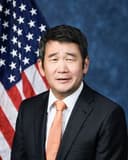
1 + 13
D· California
YRS IN OFFICE
1
BILLS LED
28
COSPONSOR BREAKDOWNBIPARTISAN · 0%
DEM 13 REP 0 IND 0
ACTION TIMELINE
2 EVENTSJUN 27
Introduced in House
JUN 27
Referred to the House Committee on Oversight and Government Reform.
BILL INFO
TypeHouse Bill
NumberHR 4237
Congress119th
StatusIn Committee
IntroducedJun 27, 2025
Last actionJun 27, 2025
READER REACTIONS
OVERALL SENTIMENT
No reactions yet. Be the first to weigh in.
Discussion
Loading comments...
IN COMMITTEE· 119TH CONGRESS · OVERSIGHT AND GOVERNMENT REFORM COMMITTEE · INTRODUCED JUN 27, 2025
House BillHR 4237Armed Forces and National Security
Stopping Executive Clearance Unfair Revocation Efforts Act
INTRODUCED JUN 27, 2025· LAST ACTION JUN 27, 2025
PASSAGE CHANCES
—%
READING
2 min
COSPONSORS
13
COMPLEXITY
Moderate