Bills · HR 4234
IN COMMITTEE· 119TH CONGRESS
House BillHR 4234International Affairs
Safeguarding Americans From Extremist Risk (SAFER) at the Border Act
INTRO JUN 27· LAST ACTION JUN 27
READING
4MIN
COSPONSORS
19
READER REACTIONS0 TOTAL
NO VOTES YET · BE THE FIRST
- Introduced only
LEGISLATIVE PROGRESS
STEP 2 / 8Introduced
In Committee
Reported
Passed House
Passed Senate
Conference
To President
Became Law
WHAT THE BILL DOES
AI-writtenThis bill matters because it would significantly change who can enter the United States, even temporarily, at a time when border security and immigration policies are major national debates. If it becomes law, it would prioritize national security concerns by tightening restrictions on individuals perceived as potential threats, potentially reducing the number of people who could enter the country, including those claiming to be refugees.
If it doesn't pass, the Secretary of Homeland Security would retain broader authority to grant temporary entry (parole) to individuals on a case-by-case basis, including refugees and others who might fall into the categories defined in this bill, based on urgent humanitarian needs or public benefit. This bill would shift policy towards stricter entry criteria, potentially impacting the U.S.'s capacity to offer temporary safe harbor to vulnerable populations and altering how national security risks are managed at the border.
KEY PROVISIONS
5AI-extractedPROVISION 01
Defines "known terrorist" as someone arrested, charged, or convicted of a terrorism-related crime, or officially identified as a terrorist by U.S. or foreign authorities.
Creates a clear legal definition for who falls under the "known terrorist" category, which then impacts their eligibility for temporary entry through parole.
PROVISION 02
Defines "suspected terrorist" as someone reasonably believed to be involved in or planning terrorism-related activities.
Broadens the scope beyond convictions to include individuals suspected of involvement, allowing for preventative measures based on intelligence when considering parole.
PROVISION 03
Defines "special interest alien" as a non-U.S. citizen who potentially poses a national security risk due to a known or potential connection to terrorism, based on travel patterns and other information.
Establishes a category for individuals flagged by intelligence, based on travel or other information, as a potential security concern, making them ineligible for parole.
PROVISION 04
Prohibits the Secretary of Homeland Security from granting parole to refugees.
This is a significant change as it explicitly bars an entire category of individuals, regardless of individual circumstances, from receiving temporary entry through parole.
PROVISION 05
Prohibits the Secretary of Homeland Security from granting parole to aliens inadmissible due to espionage, sabotage, criminal activities, terrorist activities, or being listed on a federal terrorism watchlist.
Explicitly bars temporary entry for individuals flagged for various national security or serious criminal concerns, reinforcing existing inadmissibility grounds within the parole context.
SPONSORSHIP
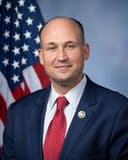
1 + 19
R· New York
YRS IN OFFICE
3
BILLS LED
48
COSPONSOR BREAKDOWNBIPARTISAN · 0%
DEM 0 REP 19 IND 0
ACTION TIMELINE
2 EVENTSJUN 27
Introduced in House
JUN 27
Referred to the House Committee on the Judiciary.
BILL INFO
TypeHouse Bill
NumberHR 4234
Congress119th
StatusIn Committee
IntroducedJun 27, 2025
Last actionJun 27, 2025
READER REACTIONS
OVERALL SENTIMENT
No reactions yet. Be the first to weigh in.
Discussion
Loading comments...
IN COMMITTEE· 119TH CONGRESS · JUDICIARY COMMITTEE · INTRODUCED JUN 27, 2025
House BillHR 4234International Affairs
Safeguarding Americans From Extremist Risk (SAFER) at the Border Act
INTRODUCED JUN 27, 2025· LAST ACTION JUN 27, 2025
PASSAGE CHANCES
—%
READING
4 min
COSPONSORS
19
COMPLEXITY
Moderate