Bills · HR 4231
IN COMMITTEE· 119TH CONGRESS
House BillHR 4231Health
Treat and Reduce Obesity Act of 2025
INTRO JUN 27· LAST ACTION JUN 27
READING
5MIN
COSPONSORS
84
READER REACTIONS0 TOTAL
NO VOTES YET · BE THE FIRST
- Introduced only
LEGISLATIVE PROGRESS
STEP 2 / 8Introduced
In Committee
Reported
Passed House
Passed Senate
Conference
To President
Became Law
WHAT THE BILL DOES
AI-writtenThis bill matters because obesity is a widespread health issue in the United States, especially among older adults, and it contributes to many chronic diseases and high healthcare costs. If this bill becomes law, it could significantly improve access to comprehensive obesity care for Medicare beneficiaries. People struggling with obesity might find it easier to get counseling from various specialists and afford necessary medications, potentially leading to better health outcomes and a higher quality of life. Without this bill, Medicare coverage for obesity treatment remains limited, potentially leaving beneficiaries without access to effective interventions and continuing to drive up costs associated with obesity-related chronic conditions.
KEY PROVISIONS
4AI-extractedPROVISION 01
Allows more healthcare providers, like physician assistants, nurse practitioners, clinical psychologists, and registered dietitians, to provide intensive behavioral therapy for obesity under Medicare.
This expands access to counseling and support for Medicare beneficiaries struggling with obesity beyond just primary care doctors.
PROVISION 02
Permits Medicare Part D plans to cover prescription medications for the treatment of obesity or weight loss management for overweight individuals with related health conditions.
Currently, Part D plans are generally prohibited from covering these drugs, so this change would make these medications more accessible and affordable for many.
PROVISION 03
Requires new providers of behavioral therapy to work in coordination with a referring physician or primary care practitioner.
This ensures that obesity treatment is integrated into a patient's overall healthcare plan and managed by a primary care provider.
PROVISION 04
Mandates the Secretary of Health and Human Services to report to Congress every two years on the implementation of the act and recommendations for better program coordination.
This provision ensures ongoing oversight and encourages continuous improvement in federal efforts to combat obesity.
SPONSORSHIP
1 + 84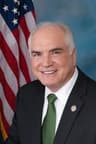
R· Pennsylvania
YRS IN OFFICE
15
BILLS LED
34
COSPONSOR BREAKDOWNBIPARTISAN · 45%
DEM 65 REP 19 IND 0
ACTION TIMELINE
2 EVENTSJUN 27
Introduced in House
JUN 27
Referred to the Committee on Energy and Commerce, and in addition to the Committee on Ways and Means, for a period to be subsequently determined by the Speaker, in each case for consideration of such provisions as fall within the jurisdiction of the committee concerned.
BILL INFO
TypeHouse Bill
NumberHR 4231
Congress119th
StatusIn Committee
IntroducedJun 27, 2025
Last actionJun 27, 2025
READER REACTIONS
OVERALL SENTIMENT
No reactions yet. Be the first to weigh in.
Discussion
Loading comments...
IN COMMITTEE· 119TH CONGRESS · WAYS AND MEANS COMMITTEE · INTRODUCED JUN 27, 2025
House BillHR 4231Health
Treat and Reduce Obesity Act of 2025
INTRODUCED JUN 27, 2025· LAST ACTION JUN 27, 2025
PASSAGE CHANCES
—%
READING
5 min
COSPONSORS
84
COMPLEXITY
Moderate