Bills · HR 4218
REPORTED· 119TH CONGRESS
House BillHR 4218Civil actions and liabilityLicensing and registrations
CLEAR Act
INTRO JUN 27· LAST ACTION JAN 21
READING
9MIN
COSPONSORS
8
READER REACTIONS0 TOTAL
NO VOTES YET · BE THE FIRST
- Reported, not passed
LEGISLATIVE PROGRESS
STEP 3 / 8Introduced
In Committee
Reported
Passed House
Passed Senate
Conference
To President
Became Law
WHAT THE BILL DOES
AI-writtenThis bill matters because it could significantly alter the pace of air quality improvement and how strictly pollution is regulated across the country. By extending the review cycle for national air quality standards from 5 to 10 years, it means that scientific updates on health impacts and advancements in pollution control technology would be incorporated into federal rules less frequently, potentially slowing down progress on cleaner air.
Introducing "likely attainability" and "economic feasibility" as considerations when setting or enforcing standards could also lead to less protective air quality standards or allow states to delay implementing stricter pollution controls. This could have real-world impacts on public health, as communities in areas with high levels of pollutants like ozone or particulate matter might experience unhealthy air for longer periods. On the other hand, proponents argue it could provide states with more realistic goals and reduce the economic burden of compliance, allowing for more tailored local solutions. The changes regarding "exceptional events" and "actions to mitigate wildfire risk" are particularly relevant for communities affected by wildfires, as they aim to facilitate proactive fire management without states being penalized for the temporary smoke from controlled burns.
KEY PROVISIONS
5AI-extractedPROVISION 01
Changes the timeline for reviewing National Ambient Air Quality Standards (NAAQS) from every 5 years to every 10 years.
This means federal clean air standards would be updated less frequently, potentially delaying the incorporation of new scientific findings or technological advancements.
PROVISION 02
Allows the EPA Administrator to consider the 'likely attainability' of a standard as a secondary factor when establishing or revising national primary ambient air quality standards.
This introduces a new consideration beyond public health protection into the standard-setting process, which could lead to less stringent standards.
PROVISION 03
Requires the EPA to give states at least one year to correct deficiencies in their air quality plans before promulgating a Federal Implementation Plan, and allows the EPA up to three years to act if the state submits a revision.
This provides states with more time and autonomy to address air pollution issues before the federal government intervenes.
PROVISION 04
Requires that plans for ozone and particulate matter nonattainment areas take into account 'economic feasibility' alongside 'technological achievability'.
This adds an economic criterion that could influence the stringency and speed of pollution control measures in areas with poor air quality.
PROVISION 05
Expands the definition of 'exceptional event' to include 'actions to mitigate wildfire risk' (like prescribed fires) and requires the EPA to establish a public website to track petitions.
This aims to facilitate wildfire prevention efforts by ensuring that air quality impacts from controlled burns are not counted against state compliance records.
SPONSORSHIP
1 + 8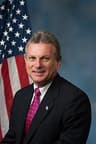
R· Georgia
YRS IN OFFICE
11
BILLS LED
63
COSPONSOR BREAKDOWNBIPARTISAN · 0%
DEM 0 REP 8 IND 0
ACTION TIMELINE
7 EVENTSJAN 21
Committee Consideration and Mark-up Session Held
JAN 21
Ordered to be Reported by the Yeas and Nays: 27 - 23.
DEC 10
Subcommittee Consideration and Mark-up Session Held
DEC 10
Forwarded by Subcommittee to Full Committee by the Yeas and Nays: 14 - 10.
BILL INFO
TypeHouse Bill
NumberHR 4218
Congress119th
StatusReported
IntroducedJun 27, 2025
Last actionJan 21, 2026
READER REACTIONS
OVERALL SENTIMENT
No reactions yet. Be the first to weigh in.
Discussion
Loading comments...
REPORTED· 119TH CONGRESS · ENERGY AND COMMERCE COMMITTEE · INTRODUCED JUN 27, 2025
House BillHR 4218Civil actions and liabilityLicensing and registrations
CLEAR Act
INTRODUCED JUN 27, 2025· LAST ACTION JAN 21, 2026
PASSAGE CHANCES
—%
READING
9 min
COSPONSORS
8
COMPLEXITY
Moderate