Bills · HR 4184
IN COMMITTEE· 119TH CONGRESS
House BillHR 4184Taxation
To amend the Internal Revenue Code of 1986 to exclude from gross income certain compensation to clinical trial participants, and for other purposes.
INTRO JUN 26· LAST ACTION JUN 26
READING
3MIN
COSPONSORS
1
READER REACTIONS0 TOTAL
NO VOTES YET · BE THE FIRST
- Introduced only
LEGISLATIVE PROGRESS
STEP 2 / 8Introduced
In Committee
Reported
Passed House
Passed Senate
Conference
To President
Became Law
WHAT THE BILL DOES
AI-writtenThis bill matters because it removes significant financial barriers for people considering joining clinical trials, especially for those with limited income. Currently, payments from clinical trials can be taxed and might even make someone ineligible for crucial federal assistance programs, creating a disincentive to participate. By changing this, the bill could encourage more people from diverse backgrounds to participate in medical research, which is essential for developing new treatments and cures for various diseases.
If this bill becomes law, more people might be able to join trials without fear of losing their benefits or facing unexpected tax burdens, potentially speeding up medical breakthroughs. If it doesn't pass, these financial disincentives will remain, potentially limiting participation, especially among vulnerable populations, and slowing the progress of medical research.
KEY PROVISIONS
3AI-extractedPROVISION 01
Money received for participating in an approved clinical trial, or for a dependent's participation, will no longer be counted as part of a person's taxable income.
This means participants will keep more of the money they receive from trials and won't face an unexpected tax burden.
PROVISION 02
Payments for clinical trial participation, including compensation and expense reimbursement, will not be considered when determining eligibility for federal assistance programs, or state/local programs funded federally.
This prevents participants from losing access to crucial benefits like Medicaid or food stamps due to receiving trial payments.
PROVISION 03
The definition of an "approved clinical trial" for these purposes is broadened to include trials for any disease or condition, not just life-threatening ones.
This expands the scope of trials whose participants would benefit from these tax and eligibility exclusions.
SPONSORSHIP
1 + 1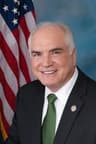
R· Pennsylvania
YRS IN OFFICE
15
BILLS LED
34
COSPONSOR BREAKDOWNBIPARTISAN · 0%
DEM 1 REP 0 IND 0
ACTION TIMELINE
2 EVENTSJUN 26
Introduced in House
JUN 26
Referred to the House Committee on Ways and Means.
BILL INFO
TypeHouse Bill
NumberHR 4184
Congress119th
StatusIn Committee
IntroducedJun 26, 2025
Last actionJun 26, 2025
READER REACTIONS
OVERALL SENTIMENT
No reactions yet. Be the first to weigh in.
Discussion
Loading comments...
IN COMMITTEE· 119TH CONGRESS · WAYS AND MEANS COMMITTEE · INTRODUCED JUN 26, 2025
House BillHR 4184Taxation
To amend the Internal Revenue Code of 1986 to exclude from gross income certain compensation to clinical trial participants, and for other purposes.
INTRODUCED JUN 26, 2025· LAST ACTION JUN 26, 2025
PASSAGE CHANCES
—%
READING
3 min
COSPONSORS
1
COMPLEXITY
Moderate