Bills · HR 4162
IN COMMITTEE· 119TH CONGRESS
House BillHR 4162Energy
Community Solar Consumer Choice Act of 2025
INTRO JUN 26· LAST ACTION JUN 26
READING
7MIN
COSPONSORS
12
READER REACTIONS0 TOTAL
NO VOTES YET · BE THE FIRST
- Introduced only
LEGISLATIVE PROGRESS
STEP 2 / 8Introduced
In Committee
Reported
Passed House
Passed Senate
Conference
To President
Became Law
WHAT THE BILL DOES
AI-writtenThis bill matters to voters because it aims to make clean, renewable solar energy more accessible and affordable for a much wider range of Americans. Currently, rooftop solar is only an option for homeowners with suitable roofs and sufficient upfront capital, leaving out many renters, apartment dwellers, and lower-income households. If this bill becomes law, it means almost all utility customers would have the opportunity to subscribe to a local community solar project, receiving credits on their electricity bills for the power generated. This could lead to lower energy costs for participants and contribute to reducing overall carbon emissions by increasing renewable energy use.
Without this bill, the expansion of community solar would likely continue to be fragmented and dependent on individual state policies, potentially leaving many communities without access. By requiring utilities to offer these programs and providing federal support, the bill seeks to create a more consistent and widespread pathway for people to participate in the clean energy transition, allowing more consumers to choose solar power regardless of their housing situation or income level.
KEY PROVISIONS
4AI-extractedPROVISION 01
Requires the Secretary of Energy to establish a "Community Solar Consumer Choice Program" to increase participation in community solar, especially for individuals without regular access to onsite solar, including low- and moderate-income individuals.
This creates a dedicated federal effort to support and expand access to community solar for underserved populations.
PROVISION 02
Amends the Public Utility Regulatory Policies Act of 1978 (PURPA) to require most electric utilities to offer a community solar program with equitable access for all ratepayers, including low-income ratepayers.
This makes community solar a widespread standard, ensuring access across most of the country rather than relying on varied state laws.
PROVISION 03
Sets deadlines for State regulatory authorities and nonregulated electric utilities to consider and make determinations on implementing the new community solar program standard within one to two years.
This establishes a clear timeline for states and utilities to act on the new requirement, ensuring timely implementation.
PROVISION 04
Directs the Department of Energy to provide technical assistance, support development of innovative financial models, and disseminate data to assist entities in financing and operating community solar programs.
This provides crucial support and resources to help states, local governments, and businesses effectively set up and manage community solar projects.
SPONSORSHIP
1 + 12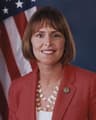
D· Florida
YRS IN OFFICE
19
BILLS LED
26
COSPONSOR BREAKDOWNBIPARTISAN · 0%
DEM 12 REP 0 IND 0
ACTION TIMELINE
2 EVENTSJUN 26
Introduced in House
JUN 26
Referred to the Committee on Energy and Commerce, and in addition to the Committee on Oversight and Government Reform, for a period to be subsequently determined by the Speaker, in each case for consideration of such provisions as fall within the jurisdiction of the committee concerned.
BILL INFO
TypeHouse Bill
NumberHR 4162
Congress119th
StatusIn Committee
IntroducedJun 26, 2025
Last actionJun 26, 2025
READER REACTIONS
OVERALL SENTIMENT
No reactions yet. Be the first to weigh in.
Discussion
Loading comments...
IN COMMITTEE· 119TH CONGRESS · OVERSIGHT AND GOVERNMENT REFORM COMMITTEE · INTRODUCED JUN 26, 2025
House BillHR 4162Energy
Community Solar Consumer Choice Act of 2025
INTRODUCED JUN 26, 2025· LAST ACTION JUN 26, 2025
PASSAGE CHANCES
—%
READING
7 min
COSPONSORS
12
COMPLEXITY
Moderate