Bills · HR 4122
IN COMMITTEE· 119TH CONGRESS
House BillHR 4122Health
Health Care for Energy Workers Act of 2025
INTRO JUN 25· LAST ACTION JUN 25
READING
1MIN
COSPONSORS
3BIPARTISAN
READER REACTIONS0 TOTAL
NO VOTES YET · BE THE FIRST
- Introduced only
LEGISLATIVE PROGRESS
STEP 2 / 8Introduced
In Committee
Reported
Passed House
Passed Senate
Conference
To President
Became Law
WHAT THE BILL DOES
AI-writtenVoters should care about this bill because it addresses access to healthcare for a vulnerable group of Americans—energy workers who developed severe illnesses due to their work in critical national industries. Many of these workers live in rural areas or regions facing physician shortages, and relying solely on physicians for authorization can lead to significant delays in receiving crucial care. By allowing nurse practitioners and physician assistants to order necessary services and supplies, the bill aims to significantly speed up the process for these workers to receive their entitled medical benefits.
If this bill becomes law, energy workers could experience fewer delays in getting treatments, medications, or specialized equipment, potentially improving their quality of life and health outcomes for often severe and chronic illnesses. If it does not pass, these workers would continue to rely on a more limited pool of providers for authorization, which could mean longer wait times and administrative hurdles, potentially impacting their ability to get timely and comprehensive care.
KEY PROVISIONS
3AI-extractedPROVISION 01
The bill permits nurse practitioners (NPs) and physician assistants (PAs) to prescribe, recommend, or order medical services, appliances, and supplies for individuals receiving benefits under the Energy Employees Occupational Illness Compensation Program Act.
This broadens the types of healthcare professionals who can authorize necessary medical care for sick energy workers.
PROVISION 02
This expanded authority for NPs and PAs is contingent on them acting within the scope of their practice as defined by State law.
It ensures that the care provided by NPs and PAs adheres to existing professional standards and regulations at the state level.
PROVISION 03
The President may issue regulations and instructions regarding how NPs and PAs exercise this new authority under the program.
This allows for federal oversight and standardization of the expanded roles within this specific federal compensation program.
SPONSORSHIP
1 + 3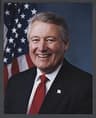
R· Georgia
YRS IN OFFICE
11
BILLS LED
22
COSPONSOR BREAKDOWNBIPARTISAN · 67%
DEM 2 REP 1 IND 0
ACTION TIMELINE
2 EVENTSJUN 25
Introduced in House
JUN 25
Referred to the Committee on the Judiciary, and in addition to the Committee on Education and Workforce, for a period to be subsequently determined by the Speaker, in each case for consideration of such provisions as fall within the jurisdiction of the committee concerned.
BILL INFO
TypeHouse Bill
NumberHR 4122
Congress119th
StatusIn Committee
IntroducedJun 25, 2025
Last actionJun 25, 2025
READER REACTIONS
OVERALL SENTIMENT
No reactions yet. Be the first to weigh in.
Discussion
Loading comments...
IN COMMITTEE· 119TH CONGRESS · JUDICIARY COMMITTEE · INTRODUCED JUN 25, 2025
House BillHR 4122Health
Health Care for Energy Workers Act of 2025
INTRODUCED JUN 25, 2025· LAST ACTION JUN 25, 2025
PASSAGE CHANCES
—%
READING
1 min
COSPONSORS
3
COMPLEXITY
Moderate