Bills · HR 4117
IN COMMITTEE· 119TH CONGRESS
House BillHR 4117Environmental Protection
Fuel Emissions Freedom Act
INTRO JUN 24· LAST ACTION JUN 24
READING
4MIN
COSPONSORS
4
READER REACTIONS0 TOTAL
NO VOTES YET · BE THE FIRST
- Introduced only
LEGISLATIVE PROGRESS
STEP 2 / 8Introduced
In Committee
Reported
Passed House
Passed Senate
Conference
To President
Became Law
WHAT THE BILL DOES
AI-writtenThis bill matters because it represents a significant shift in environmental and economic policy concerning the auto industry. If it becomes law, it would eliminate a framework of regulations that has been in place for decades, aimed at reducing air pollution and encouraging more fuel-efficient vehicles. For voters, this could mean cheaper cars in the short term, as manufacturers might save on compliance costs, but potentially higher fuel costs and poorer air quality over the long term, as vehicles may become less efficient and more polluting. Without these standards, the U.S. would also move away from international trends towards stricter emissions and fuel efficiency targets, which could impact the global competitiveness of American automakers or their ability to export vehicles.
If this bill does not become law, the existing federal and state regulations on vehicle emissions and fuel economy would remain in effect, continuing to push for cleaner and more fuel-efficient cars. The ongoing debate about balancing economic burden on manufacturers and consumers with environmental protection and public health would persist, with states retaining their current levels of autonomy in setting stricter standards.
KEY PROVISIONS
5AI-extractedPROVISION 01
Repeals federal motor vehicle emission standards under the Clean Air Act.
This eliminates the national limits on pollutants that can be released from cars and trucks.
PROVISION 02
Repeals the Clean Air Act provisions that allow California to set its own stricter vehicle emission standards and for other states to adopt them.
This removes a state's ability to have more stringent environmental rules for vehicles than the federal government.
PROVISION 03
Repeals federal Corporate Average Fuel Economy (CAFÉ) standards, which set minimum fuel efficiency requirements for new vehicles.
This ends the national mandate for car manufacturers to produce increasingly fuel-efficient fleets.
PROVISION 04
Nullifies all existing federal and state laws, regulations, or executive orders related to motor vehicle emission and fuel standards.
This ensures that all current rules and standards in these areas are immediately canceled upon the bill's enactment.
PROVISION 05
Prohibits the federal government or any state/local government from establishing, enforcing, or maintaining any future fuel emission standards for motor vehicles.
This permanently prevents the re-establishment of such standards at any level of government.
SPONSORSHIP
1 + 4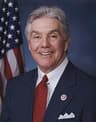
R· Texas
YRS IN OFFICE
13
BILLS LED
40
COSPONSOR BREAKDOWNBIPARTISAN · 0%
DEM 0 REP 4 IND 0
ACTION TIMELINE
2 EVENTSJUN 24
Introduced in House
JUN 24
Referred to the House Committee on Energy and Commerce.
BILL INFO
TypeHouse Bill
NumberHR 4117
Congress119th
StatusIn Committee
IntroducedJun 24, 2025
Last actionJun 24, 2025
READER REACTIONS
OVERALL SENTIMENT
No reactions yet. Be the first to weigh in.
Discussion
Loading comments...
IN COMMITTEE· 119TH CONGRESS · ENERGY AND COMMERCE COMMITTEE · INTRODUCED JUN 24, 2025
House BillHR 4117Environmental Protection
Fuel Emissions Freedom Act
INTRODUCED JUN 24, 2025· LAST ACTION JUN 24, 2025
PASSAGE CHANCES
—%
READING
4 min
COSPONSORS
4
COMPLEXITY
Moderate