Bills · HR 3996
IN COMMITTEE· 119TH CONGRESS
House BillHR 3996Health
Medicare Transaction Fraud Prevention Act
INTRO JUN 12· LAST ACTION JUN 12
READING
5MIN
COSPONSORS
0
READER REACTIONS0 TOTAL
NO VOTES YET · BE THE FIRST
- Introduced only
LEGISLATIVE PROGRESS
STEP 2 / 8Introduced
In Committee
Reported
Passed House
Passed Senate
Conference
To President
Became Law
WHAT THE BILL DOES
AI-writtenFraud in the healthcare system costs taxpayers billions of dollars every year, and programs like Medicare are often targeted. This bill matters because it proposes using new technology, specifically artificial intelligence, to more efficiently identify and prevent fraudulent payments for medical equipment and lab tests, which are common areas for fraud.
If this pilot program is successful, it could lead to significant savings for taxpayers by reducing improper payments and making the Medicare system more secure. It also represents an effort by the government to explore how advanced technology can improve the efficiency and integrity of large-scale public programs. If the bill doesn't become law, Medicare would continue to rely on its existing fraud detection methods, potentially missing out on a new, more advanced tool to combat fraud and protect its funds.
KEY PROVISIONS
5AI-extractedPROVISION 01
Establishes a 2-year pilot program for testing a predictive risk-scoring algorithm to oversee Medicare payments for durable medical equipment and clinical diagnostic laboratory tests.
This initiates a new, technology-driven approach to detect potential fraud in specific high-risk areas of Medicare spending.
PROVISION 02
The algorithm will score relevant transactions from 1 (least risky) to 99 (most risky), with high-risk scores triggering human review.
This defines how the new system will identify potentially fraudulent claims for further investigation.
PROVISION 03
Participation in the pilot program is voluntary for Medicare beneficiaries who opt-in to receive electronic Medicare Summary Notices.
This ensures beneficiaries have control over their involvement and receive information electronically if participating.
PROVISION 04
For high-risk transactions, the Secretary will review them, potentially suspend payments, and provide the beneficiary an opportunity to confirm the transaction or correct errors.
This outlines the crucial steps for how potential fraud will be addressed and how beneficiary rights are protected.
PROVISION 05
The Secretary of Health and Human Services gains authority to determine when a Medicare card must be terminated or a new card issued to prevent fraud and abuse.
This grants an additional tool for immediate action to mitigate ongoing fraud once identified.
SPONSORSHIP
1 + 0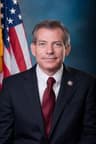
R· Arizona
YRS IN OFFICE
15
BILLS LED
35
ACTION TIMELINE
2 EVENTSJUN 12
Introduced in House
JUN 12
Referred to the Committee on Energy and Commerce, and in addition to the Committee on Ways and Means, for a period to be subsequently determined by the Speaker, in each case for consideration of such provisions as fall within the jurisdiction of the committee concerned.
BILL INFO
TypeHouse Bill
NumberHR 3996
Congress119th
StatusIn Committee
IntroducedJun 12, 2025
Last actionJun 12, 2025
READER REACTIONS
OVERALL SENTIMENT
No reactions yet. Be the first to weigh in.
Discussion
Loading comments...
IN COMMITTEE· 119TH CONGRESS · WAYS AND MEANS COMMITTEE · INTRODUCED JUN 12, 2025
House BillHR 3996Health
Medicare Transaction Fraud Prevention Act
INTRODUCED JUN 12, 2025· LAST ACTION JUN 12, 2025
PASSAGE CHANCES
—%
READING
5 min
COSPONSORS
0
COMPLEXITY
Moderate