Bills · HR 3915
IN COMMITTEE· 119TH CONGRESS
House BillHR 3915Agriculture and Food
Foreign Animal Disease Prevention, Surveillance, and Rapid Response Act of 2025
INTRO JUN 11· LAST ACTION JUN 11
READING
3MIN
COSPONSORS
8BIPARTISAN
READER REACTIONS0 TOTAL
NO VOTES YET · BE THE FIRST
- Introduced only
LEGISLATIVE PROGRESS
STEP 2 / 8Introduced
In Committee
Reported
Passed House
Passed Senate
Conference
To President
Became Law
WHAT THE BILL DOES
AI-writtenVoters should care about this bill because it directly impacts the safety and availability of their food, as well as the economic stability of the agricultural sector. If this bill passes, the United States will have significantly more resources to detect, control, and prevent foreign animal diseases from harming our livestock and poultry. This increased funding could mean quicker responses to outbreaks, better research into vaccines, and a more secure food supply, which could prevent shortages and price hikes at the grocery store.
Without this bill, funding for critical animal disease prevention and management programs might decrease or become less reliable. This could leave the nation more vulnerable to widespread animal disease outbreaks, potentially leading to devastating losses for farmers, disruptions to the food supply chain, and increased food costs for everyone. It's about protecting both agricultural livelihoods and consumer access to affordable, safe food.
KEY PROVISIONS
4AI-extractedPROVISION 01
The bill provides $30 million in mandatory funding for animal disease prevention and management programs for each of fiscal years 2023 through 2025.
This provision ensures continuous, baseline funding for existing programs that protect animal health.
PROVISION 02
It significantly increases mandatory funding to $233 million annually for fiscal years 2026 through 2029, with specific allocations for laboratory networks, preparedness, and vaccine banks.
This major funding increase allows for a substantial boost in the nation's ability to prevent, monitor, and respond to animal disease threats.
PROVISION 03
The bill sets mandatory funding at $75 million annually for fiscal year 2031 and each fiscal year thereafter, with a portion dedicated to disease preparedness.
This establishes a long-term, sustained funding commitment for these crucial animal health programs.
PROVISION 04
It authorizes an additional $45 million for each of fiscal years 2026 through 2030 to be appropriated for the National Animal Health Laboratory Network.
This allows for potential additional funding specifically for the network of labs that diagnose animal diseases.
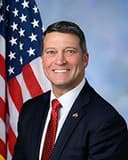
SPONSORSHIP
1 + 8
R· Texas
YRS IN OFFICE
5
BILLS LED
35
COSPONSOR BREAKDOWNBIPARTISAN · 100%
DEM 4 REP 4 IND 0
ACTION TIMELINE
2 EVENTSJUN 11
Introduced in House
JUN 11
Referred to the House Committee on Agriculture.
BILL INFO
TypeHouse Bill
NumberHR 3915
Congress119th
StatusIn Committee
IntroducedJun 11, 2025
Last actionJun 11, 2025
READER REACTIONS
OVERALL SENTIMENT
No reactions yet. Be the first to weigh in.
Discussion
Loading comments...
IN COMMITTEE· 119TH CONGRESS · AGRICULTURE COMMITTEE · INTRODUCED JUN 11, 2025
House BillHR 3915Agriculture and Food
Foreign Animal Disease Prevention, Surveillance, and Rapid Response Act of 2025
INTRODUCED JUN 11, 2025· LAST ACTION JUN 11, 2025
PASSAGE CHANCES
—%
READING
3 min
COSPONSORS
8
COMPLEXITY
Moderate