Bills · HR 3890
IN COMMITTEE· 119TH CONGRESS
House BillHR 3890Health
Resident Physician Shortage Reduction Act of 2025
INTRO JUN 10· LAST ACTION JUN 10
READING
14MIN
COSPONSORS
1
READER REACTIONS0 TOTAL
NO VOTES YET · BE THE FIRST
- Introduced only
LEGISLATIVE PROGRESS
STEP 2 / 8Introduced
In Committee
Reported
Passed House
Passed Senate
Conference
To President
Became Law
WHAT THE BILL DOES
AI-writtenThis bill addresses a critical shortage of doctors across the United States, which is expected to worsen as the population ages and demand for healthcare grows. Currently, many medical school graduates struggle to find residency positions, creating a bottleneck in the physician supply chain and preventing qualified individuals from becoming practicing physicians.
If this bill becomes law, it would directly increase the number of doctors completing their training, helping to fill gaps in healthcare access, particularly in underserved areas and in specialties like primary care and general surgery. If it doesn't pass, the doctor shortage is likely to continue or grow, potentially leading to longer wait times for appointments, reduced access to specialized medical care, and increased strain on the existing healthcare system for many Americans.
KEY PROVISIONS
5AI-extractedPROVISION 01
Authorizes 14,000 new federally funded residency positions through amendments to the Social Security Act.
This is the core mechanism to increase the physician workforce by providing funding for more training slots.
PROVISION 02
Distributes 2,000 new positions annually for seven fiscal years, from 2026 through 2032.
This ensures a steady, phased increase in the nation's physician training capacity over a defined period.
PROVISION 03
One-third of the new positions are reserved for hospitals that are already training more residents than their current federal funding allows, with a focus on primary care and general surgery.
This provision recognizes and supports hospitals that are already contributing significantly to physician training, especially in critical shortage specialties.
PROVISION 04
If the full 14,000 positions are not distributed by the end of fiscal year 2032, the distribution process continues in subsequent years until all positions are filled.
This guarantees that the intended number of physician training slots will eventually be put into use, even if there are delays in initial uptake.
PROVISION 05
Hospitals receiving the special allocation for those training over their cap must continue to train at least 25% of their residents in primary care and general surgery for five years or risk losing the increased limit.
This ensures that the additional positions address specific and vital physician shortage areas like primary care and general surgery.
SPONSORSHIP
1 + 1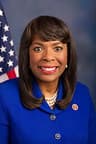
D· Alabama
YRS IN OFFICE
15
BILLS LED
15
COSPONSOR BREAKDOWNBIPARTISAN · 0%
DEM 0 REP 1 IND 0
ACTION TIMELINE
2 EVENTSJUN 10
Introduced in House
JUN 10
Referred to the Committee on Energy and Commerce, and in addition to the Committee on Ways and Means, for a period to be subsequently determined by the Speaker, in each case for consideration of such provisions as fall within the jurisdiction of the committee concerned.
BILL INFO
TypeHouse Bill
NumberHR 3890
Congress119th
StatusIn Committee
IntroducedJun 10, 2025
Last actionJun 10, 2025
READER REACTIONS
OVERALL SENTIMENT
No reactions yet. Be the first to weigh in.
Discussion
Loading comments...
IN COMMITTEE· 119TH CONGRESS · WAYS AND MEANS COMMITTEE · INTRODUCED JUN 10, 2025
House BillHR 3890Health
Resident Physician Shortage Reduction Act of 2025
INTRODUCED JUN 10, 2025· LAST ACTION JUN 10, 2025
PASSAGE CHANCES
—%
READING
14 min
COSPONSORS
1
COMPLEXITY
Moderate