Bills · HR 3885
IN COMMITTEE· 119TH CONGRESS
House BillHR 3885Health
Community TEAMS Act of 2025
INTRO JUN 10· LAST ACTION JUN 10
READING
4MIN
COSPONSORS
26BIPARTISAN
READER REACTIONS0 TOTAL
NO VOTES YET · BE THE FIRST
- Introduced only
LEGISLATIVE PROGRESS
STEP 2 / 8Introduced
In Committee
Reported
Passed House
Passed Senate
Conference
To President
Became Law
WHAT THE BILL DOES
AI-writtenMedical students would be directly affected by gaining more opportunities for hands-on clinical training specifically in rural and underserved areas, potentially influencing their career paths towards these communities. Communities that currently lack sufficient healthcare providers, particularly those designated as rural or medically underserved, would also be affected as the bill aims to increase the number of doctors practicing within them.
Healthcare facilities in these high-need areas, such as rural health clinics and Federally qualified health centers, would benefit by becoming training sites, potentially attracting future medical professionals and improving their staffing. Medical schools, specifically osteopathic and allopathic institutions, would be able to develop and expand programs that place their students in these community settings, fostering partnerships with local clinics.
KEY PROVISIONS
4AI-extractedPROVISION 01
Creates a new grant program allowing the Director of the Public Health Service Act to award grants to eligible entities.
This establishes the core funding mechanism to achieve the bill's goals of expanding medical student training in underserved areas.
PROVISION 02
Specifies that grants will fund community-based training for medical students in rural areas and medically underserved communities.
This directly addresses the geographic and demographic focus of the bill to tackle healthcare provider shortages.
PROVISION 03
Defines eligible entities as a consortium of medical schools (osteopathic or allopathic) and healthcare facilities like rural health clinics, Federally qualified health centers, or other facilities in medically underserved communities.
This ensures that the training programs are a partnership between academic institutions and local care providers who understand the community's needs.
PROVISION 04
Requires grant applicants to submit detailed plans, including how they will assure continuous quality improvement, increase access to care, and sustain the project after federal funding ends.
These requirements aim to ensure accountability, effectiveness, and long-term impact of the funded training programs.
SPONSORSHIP
1 + 26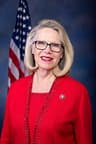
R· West Virginia
YRS IN OFFICE
7
BILLS LED
30
COSPONSOR BREAKDOWNBIPARTISAN · 62%
DEM 18 REP 8 IND 0
ACTION TIMELINE
2 EVENTSJUN 10
Introduced in House
JUN 10
Referred to the House Committee on Energy and Commerce.
BILL INFO
TypeHouse Bill
NumberHR 3885
Congress119th
StatusIn Committee
IntroducedJun 10, 2025
Last actionJun 10, 2025
READER REACTIONS
OVERALL SENTIMENT
No reactions yet. Be the first to weigh in.
Discussion
Loading comments...
IN COMMITTEE· 119TH CONGRESS · ENERGY AND COMMERCE COMMITTEE · INTRODUCED JUN 10, 2025
House BillHR 3885Health
Community TEAMS Act of 2025
INTRODUCED JUN 10, 2025· LAST ACTION JUN 10, 2025
PASSAGE CHANCES
—%
READING
4 min
COSPONSORS
26
COMPLEXITY
Moderate