Bills · HR 3863
REPORTED· 119TH CONGRESS
House BillHR 3863Veterans' medical careVeterans' pensions and compensation
VA Mental Health Outreach and Engagement Act
INTRO JUN 10· LAST ACTION MAY 4
READING
5MIN
COSPONSORS
4BIPARTISAN
READER REACTIONS0 TOTAL
NO VOTES YET · BE THE FIRST
- Reported, not passed
LEGISLATIVE PROGRESS
STEP 3 / 8Introduced
In Committee
Reported
Passed House
Passed Senate
Conference
To President
Became Law
WHAT THE BILL DOES
AI-writtenThis bill matters because it shifts the Department of Veterans Affairs towards a more proactive and preventative approach for a specific group of veterans known to be at higher risk for mental health challenges. By requiring annual check-ups and outreach, it could lead to earlier detection of mental health issues, provide ongoing support, and help prevent mental health crises among veterans who already have a service-connected mental health diagnosis.
If this bill becomes law, these veterans will have more regular touchpoints with the VA regarding their mental health, potentially reducing stigma and increasing access to care. If it doesn't pass, the VA's approach to mental health support for these veterans might remain more reactive, relying on veterans to initiate contact when they need help, which can sometimes be a barrier to care.
KEY PROVISIONS
3AI-extractedPROVISION 01
Requires the VA to offer an annual mental health consultation to veterans receiving disability compensation for a service-connected mental health diagnosis.
This ensures a regular, proactive check-in on the mental well-being of a vulnerable group of veterans.
PROVISION 02
Mandates the VA to conduct outreach to these veterans about the availability of the annual consultations and other VA mental health services.
This aims to increase awareness and encourage utilization of available mental health support.
PROVISION 03
Directs the Comptroller General (GAO) to review the program's effectiveness two years after enactment.
This provides an independent assessment of how well the new program is working and identifies any barriers to access.
SPONSORSHIP
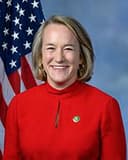
1 + 4
D· Illinois
YRS IN OFFICE
3
BILLS LED
19
COSPONSOR BREAKDOWNBIPARTISAN · 100%
DEM 2 REP 2 IND 0
ACTION TIMELINE
10 EVENTSMAY 4
Reported (Amended) by the Committee on Veterans' Affairs. H. Rept. 119-634.
MAY 4
Placed on the Union Calendar, Calendar No. 550.
JUL 23
Committee Consideration and Mark-up Session Held
JUL 23
Ordered to be Reported (Amended) by Voice Vote.
BILL INFO
TypeHouse Bill
NumberHR 3863
Congress119th
StatusReported
IntroducedJun 10, 2025
Last actionMay 4, 2026
READER REACTIONS
OVERALL SENTIMENT
No reactions yet. Be the first to weigh in.
Discussion
Loading comments...
REPORTED· 119TH CONGRESS · VETERANS' AFFAIRS COMMITTEE · INTRODUCED JUN 10, 2025
House BillHR 3863Veterans' medical careVeterans' pensions and compensation
VA Mental Health Outreach and Engagement Act
INTRODUCED JUN 10, 2025· LAST ACTION MAY 4, 2026
PASSAGE CHANCES
—%
READING
5 min
COSPONSORS
4
COMPLEXITY
Moderate