Bills · HR 3825
IN COMMITTEE· 119TH CONGRESS
House BillHR 3825Science, Technology, Communications
Kelsey Smith Act
INTRO JUN 6· LAST ACTION JUN 6
READING
5MIN
COSPONSORS
3BIPARTISAN
READER REACTIONS0 TOTAL
NO VOTES YET · BE THE FIRST
- Introduced only
LEGISLATIVE PROGRESS
STEP 2 / 8Introduced
In Committee
Reported
Passed House
Passed Senate
Conference
To President
Became Law
WHAT THE BILL DOES
AI-writtenThis bill matters because it aims to reduce the time it takes for emergency services to locate individuals in urgent situations. When someone is kidnapped, lost, or in an accident and can't communicate their exact location, immediate access to their phone's location data can be crucial for saving lives. If this bill becomes law, it could lead to quicker responses in emergencies, potentially turning around critical outcomes.
Without this law, service providers have more discretion, and getting location data might involve more delays or legal hurdles. While it enhances public safety by streamlining emergency response, it also raises questions about privacy and the extent to which private companies should be compelled to share user data, even in emergencies. Voters should care about the balance between rapid emergency response and individual privacy rights.
KEY PROVISIONS
4AI-extractedPROVISION 01
Requires providers of mobile or internet-based voice services to provide location information of a device without delay when requested by law enforcement or 911 in specific emergencies.
This provision ensures that emergency responders can quickly get location data to find people in danger, which can be critical for saving lives.
PROVISION 02
Specifies two conditions for requesting location information: either the device made a 911 call in the last 48 hours, or there is reasonable suspicion of an emergency involving risk of death or serious harm.
These conditions define the boundaries for when location data can be requested, aiming to balance emergency needs with privacy.
PROVISION 03
Protects service providers from legal liability (cannot be sued) if they share location information in accordance with this act.
This 'hold harmless' clause encourages providers to comply with the law without fear of legal repercussions, streamlining the process.
PROVISION 04
Requires law enforcement agencies to maintain records of all requests made for location information under this act.
This ensures accountability and a clear paper trail for each request, which can help prevent misuse of the system.
SPONSORSHIP
1 + 3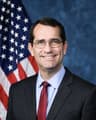
R· Kansas
YRS IN OFFICE
1
BILLS LED
17
COSPONSOR BREAKDOWNBIPARTISAN · 66%
DEM 1 REP 2 IND 0
ACTION TIMELINE
2 EVENTSJUN 6
Introduced in House
JUN 6
Referred to the Committee on Energy and Commerce, and in addition to the Committee on the Judiciary, for a period to be subsequently determined by the Speaker, in each case for consideration of such provisions as fall within the jurisdiction of the committee concerned.
BILL INFO
TypeHouse Bill
NumberHR 3825
Congress119th
StatusIn Committee
IntroducedJun 6, 2025
Last actionJun 6, 2025
READER REACTIONS
OVERALL SENTIMENT
No reactions yet. Be the first to weigh in.
Discussion
Loading comments...
IN COMMITTEE· 119TH CONGRESS · JUDICIARY COMMITTEE · INTRODUCED JUN 6, 2025
House BillHR 3825Science, Technology, Communications
Kelsey Smith Act
INTRODUCED JUN 6, 2025· LAST ACTION JUN 6, 2025
PASSAGE CHANCES
—%
READING
5 min
COSPONSORS
3
COMPLEXITY
Moderate