Bills · HR 3818
IN COMMITTEE· 119TH CONGRESS
House BillHR 3818Water Resources Development
Stop Poisoning Florida Act
INTRO JUN 6· LAST ACTION JUN 7
READING
1MIN
COSPONSORS
0
READER REACTIONS0 TOTAL
NO VOTES YET · BE THE FIRST
- Introduced only
LEGISLATIVE PROGRESS
STEP 2 / 8Introduced
In Committee
Reported
Passed House
Passed Senate
Conference
To President
Became Law
WHAT THE BILL DOES
AI-writtenThis bill matters because toxic algae blooms, often fueled by nutrient runoff and exacerbated by water releases, pose a significant threat to Florida's environment, economy, and public health. When Lake Okeechobee's water, laden with these toxins, is discharged into rivers, it can lead to widespread blooms that kill fish, contaminate drinking water sources, harm wildlife, and make recreational waters unsafe for people and pets. These blooms can shut down beaches and waterways, devastating local tourism and fishing industries.
If this bill becomes law, it would provide a direct mechanism to prevent the spread of highly contaminated water from Lake Okeechobee to coastal estuaries, potentially reducing the frequency and severity of harmful algae blooms in those areas. If it doesn't pass, the Army Corps of Engineers would continue to manage discharges based on existing protocols, which may or may not prioritize microcystin levels in the same way, potentially allowing continued spread of contaminated water during periods of high toxicity.
KEY PROVISIONS
3AI-extractedPROVISION 01
Requires the Secretary of the Army, through the Chief of Engineers, to prohibit discharges of water from Lake Okeechobee through the S-308 and S-80 lock and dam structures.
This provision targets specific release points known to contribute to downstream pollution, aiming to reduce the spread of toxins.
PROVISION 02
The prohibition is triggered when the water exceeds the maximum concentration of microcystins recommended for recreational waters by the Environmental Protection Agency (EPA).
This sets a clear, scientifically-backed standard for when discharges must stop, linking water management directly to public health and environmental safety.
PROVISION 03
The determination of microcystin levels will be based on tests conducted by the Secretary of the Army, another Federal agency, or the State of Florida.
This ensures that multiple entities can conduct the necessary water quality testing, providing flexibility and accountability in monitoring.
SPONSORSHIP
1 + 0
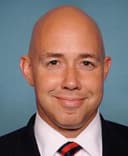
R· Florida
YRS IN OFFICE
9
BILLS LED
44
ACTION TIMELINE
3 EVENTSJUN 7
Referred to the Subcommittee on Water Resources and Environment.
JUN 6
Introduced in House
JUN 6
Referred to the House Committee on Transportation and Infrastructure.
BILL INFO
TypeHouse Bill
NumberHR 3818
Congress119th
StatusIn Committee
IntroducedJun 6, 2025
Last actionJun 7, 2025
READER REACTIONS
OVERALL SENTIMENT
No reactions yet. Be the first to weigh in.
Discussion
Loading comments...
IN COMMITTEE· 119TH CONGRESS · TRANSPORTATION AND INFRASTRUCTURE COMMITTEE · INTRODUCED JUN 6, 2025
House BillHR 3818Water Resources Development
Stop Poisoning Florida Act
INTRODUCED JUN 6, 2025· LAST ACTION JUN 7, 2025
PASSAGE CHANCES
—%
READING
1 min
COSPONSORS
0
COMPLEXITY
Moderate