Bills · HR 3728
IN COMMITTEE· 119TH CONGRESS
House BillHR 3728Transportation and Public Works
Language Access in Transit Act
INTRO JUN 4· LAST ACTION JUN 5
READING
1MIN
COSPONSORS
0
READER REACTIONS0 TOTAL
NO VOTES YET · BE THE FIRST
- Introduced only
LEGISLATIVE PROGRESS
STEP 2 / 8Introduced
In Committee
Reported
Passed House
Passed Senate
Conference
To President
Became Law
WHAT THE BILL DOES
AI-writtenThis bill matters because it addresses a significant barrier for millions of Americans: accessing essential public services when they don't speak English proficiently. If passed, it would ensure that vital information—like schedules, route changes, emergency announcements, and fare details—is available to everyone, regardless of their English skills. This could greatly improve safety, convenience, and independence for people who rely on public transit but face language challenges.
Without this bill, individuals with limited English proficiency may struggle to use public transportation effectively, potentially missing appointments, jobs, or critical services. Its passage would mean a more inclusive and accessible transit system across the country, while its failure would leave existing language access efforts largely up to individual transit agencies without a clear federal mandate.
KEY PROVISIONS
2AI-extractedPROVISION 01
Directs the Secretary of Transportation to ensure that entities receiving federal transit funds provide meaningful language access.
This establishes a clear federal requirement for public transit agencies to offer language services to those with limited English proficiency.
PROVISION 02
Amends existing federal law (49 U.S.C. 5332) to include an explicit mandate for language access as part of nondiscrimination efforts.
This integrates language access directly into the legal framework for federal transit assistance, strengthening its enforcement.
SPONSORSHIP
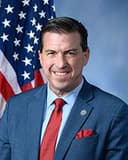
1 + 0
D· California
YRS IN OFFICE
3
BILLS LED
32
ACTION TIMELINE
3 EVENTSJUN 5
Referred to the Subcommittee on Highways and Transit.
JUN 4
Introduced in House
JUN 4
Referred to the House Committee on Transportation and Infrastructure.
BILL INFO
TypeHouse Bill
NumberHR 3728
Congress119th
StatusIn Committee
IntroducedJun 4, 2025
Last actionJun 5, 2025
READER REACTIONS
OVERALL SENTIMENT
No reactions yet. Be the first to weigh in.
Discussion
Loading comments...
IN COMMITTEE· 119TH CONGRESS · TRANSPORTATION AND INFRASTRUCTURE COMMITTEE · INTRODUCED JUN 4, 2025
House BillHR 3728Transportation and Public Works
Language Access in Transit Act
INTRODUCED JUN 4, 2025· LAST ACTION JUN 5, 2025
PASSAGE CHANCES
—%
READING
1 min
COSPONSORS
0
COMPLEXITY
Moderate