Bills · HR 3712
IN COMMITTEE· 119TH CONGRESS
House BillHR 3712Transportation and Public Works
Complete Streets Act of 2025
INTRO JUN 4· LAST ACTION JUN 5
READING
19MIN
COSPONSORS
11
READER REACTIONS0 TOTAL
NO VOTES YET · BE THE FIRST
- Introduced only
LEGISLATIVE PROGRESS
STEP 2 / 8Introduced
In Committee
Reported
Passed House
Passed Senate
Conference
To President
Became Law
WHAT THE BILL DOES
AI-writtenThis bill matters because it aims to make our streets safer and more efficient for everyone, not just those in cars. Today, many roads are designed primarily for vehicle traffic, often leaving pedestrians, cyclists, and transit users vulnerable or without safe routes. If this bill passes, states would be required to prioritize designing roads that safely accommodate all users, which could lead to fewer accidents, encourage more walking and biking, and reduce traffic congestion in some areas.
If the bill doesn't become law, the decision to implement "complete streets" principles would remain largely optional for states and local communities. This means progress on creating safer, more accessible roads could continue to be uneven, with some areas making significant improvements while others lag, perpetuating safety hazards and limiting transportation options for many Americans. It also underscores a commitment to equity by specifically targeting underserved communities, which often lack adequate transportation infrastructure.
KEY PROVISIONS
4AI-extractedPROVISION 01
Requires all States to establish a competitive "complete streets program" to provide technical assistance and grants to local entities for designing and constructing roads that are safe for all users.
This provision ensures a consistent, nationwide effort to improve road safety and accessibility for diverse travel modes.
PROVISION 02
Mandates the Secretary of Transportation to develop and issue benchmarks and guidance within one year to help states and local groups effectively implement complete streets principles and evaluate their projects.
This creates a standardized framework and best practices, ensuring quality and consistent application of complete streets concepts.
PROVISION 03
Stipulates that local entities must adopt a complete streets policy to be eligible for funding or technical assistance from a state program.
This encourages local commitment to inclusive road design as a prerequisite for receiving support.
PROVISION 04
Directs the state programs to prioritize equitable service for underserved municipalities, neighborhoods, rural areas, Tribal areas, territorial communities, and people, including low-income people and communities of color.
This ensures that improvements are distributed fairly, addressing historical disparities in infrastructure investment.
SPONSORSHIP
1 + 11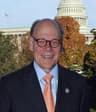
D· Tennessee
YRS IN OFFICE
19
BILLS LED
57
COSPONSOR BREAKDOWNBIPARTISAN · 0%
DEM 11 REP 0 IND 0
ACTION TIMELINE
3 EVENTSJUN 5
Referred to the Subcommittee on Highways and Transit.
JUN 4
Introduced in House
JUN 4
Referred to the House Committee on Transportation and Infrastructure.
BILL INFO
TypeHouse Bill
NumberHR 3712
Congress119th
StatusIn Committee
IntroducedJun 4, 2025
Last actionJun 5, 2025
READER REACTIONS
OVERALL SENTIMENT
No reactions yet. Be the first to weigh in.
Discussion
Loading comments...
IN COMMITTEE· 119TH CONGRESS · TRANSPORTATION AND INFRASTRUCTURE COMMITTEE · INTRODUCED JUN 4, 2025
House BillHR 3712Transportation and Public Works
Complete Streets Act of 2025
INTRODUCED JUN 4, 2025· LAST ACTION JUN 5, 2025
PASSAGE CHANCES
—%
READING
19 min
COSPONSORS
11
COMPLEXITY
Moderate