Bills · HR 3709
PASSED HOUSE· 119TH CONGRESS
House BillHR 3709Employment and training programsCorporate finance and management
Advancing the Mentor-Protégé Program for Small Financial Institutions Act
INTRO JUN 4· LAST ACTION MAY 13
READING
3MIN
COSPONSORS
0
READER REACTIONS0 TOTAL
NO VOTES YET · BE THE FIRST
- Reported, not passed
LEGISLATIVE PROGRESS
STEP 4 / 8Introduced
In Committee
Reported
Passed House
Passed Senate
Conference
To President
Became Law
WHAT THE BILL DOES
AI-writtenThis bill matters because it aims to strengthen small financial institutions, which often play a crucial role in local communities, especially in underserved areas. If these smaller banks and credit unions can get help from larger, more experienced institutions, they might be better equipped to offer a wider range of services, secure government contracts, and compete more effectively.
For voters, this could mean better banking options in their communities, particularly for those who rely on local or specialized institutions. If the bill doesn't become law, small financial institutions might continue to face challenges in growing their capacity and services without this structured support, potentially limiting their ability to serve their customers and local economies.
KEY PROVISIONS
5AI-extractedPROVISION 01
Establishes the Financial Agent Mentor-Protege Program within the Department of the Treasury.
This creates a new official program designed to support the growth and capabilities of small financial institutions.
PROVISION 02
Allows designated financial agents or large financial institutions to serve as mentors to small financial institutions.
This outlines who can participate as mentors and proteges, defining the scope of the program's relationships.
PROVISION 03
Requires the Treasury Secretary to hold annual outreach events to promote program participation.
This ensures active promotion to encourage a broad range of institutions to join and benefit from the program.
PROVISION 04
Mandates an annual report to Congress on the program's activities, including participation numbers and outreach events.
This provides accountability and transparency regarding the program's effectiveness and reach.
PROVISION 05
Defines 'small financial institution' to include those with assets up to $2 billion, minority depository institutions, and rural depository institutions.
This clarifies which institutions are eligible to receive mentoring, focusing on those most likely to need support.
SPONSORSHIP
1 + 0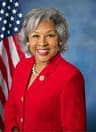
D· Ohio
YRS IN OFFICE
13
BILLS LED
23
ACTION TIMELINE
19 EVENTSMAY 13
Received in the Senate and Read twice and referred to the Committee on Banking, Housing, and Urban Affairs.
MAY 12
Mr. Hill (AR) moved to suspend the rules and pass the bill, as amended.
MAY 12
Considered under suspension of the rules. (consideration: CR H3356-3357)
MAY 12
DEBATE - The House proceeded with forty minutes of debate on H.R. 3709.
BILL INFO
TypeHouse Bill
NumberHR 3709
Congress119th
StatusPassed House
IntroducedJun 4, 2025
Last actionMay 13, 2026
READER REACTIONS
OVERALL SENTIMENT
No reactions yet. Be the first to weigh in.
Discussion
Loading comments...
PASSED HOUSE· 119TH CONGRESS · FINANCIAL SERVICES COMMITTEE · INTRODUCED JUN 4, 2025
House BillHR 3709Employment and training programsCorporate finance and management
Advancing the Mentor-Protégé Program for Small Financial Institutions Act
INTRODUCED JUN 4, 2025· LAST ACTION MAY 13, 2026
PASSAGE CHANCES
—%
READING
3 min
COSPONSORS
0
COMPLEXITY
Moderate