Bills · HR 3699
REPORTED· 119TH CONGRESS
House BillHR 3699Alternative and renewable resourcesState and local government operations
Energy Choice Act
INTRO JUN 4· LAST ACTION FEB 4
READING
4MIN
COSPONSORS
157
READER REACTIONS0 TOTAL
NO VOTES YET · BE THE FIRST
- Reported, not passed
LEGISLATIVE PROGRESS
STEP 3 / 8Introduced
In Committee
Reported
Passed House
Passed Senate
Conference
To President
Became Law
WHAT THE BILL DOES
AI-writtenVoters should care about this bill because it directly impacts local control over energy choices and environmental policy. If this bill becomes law, communities would lose the ability to implement local bans or restrictions on specific energy types, like natural gas, in new or existing buildings. This would prevent cities from pursuing policies aimed at reducing carbon emissions by pushing for all-electric homes and businesses.
Conversely, if the bill does not become law, local governments would retain the power to set their own energy policies, potentially leading to a patchwork of different rules across the country regarding what types of energy can be used. This bill forces a national standard on energy access, affecting both consumer choice and the pace of climate change initiatives at the local level.
KEY PROVISIONS
3AI-extractedPROVISION 01
Prohibits state and local governments from blocking or limiting energy services based on the type or source of energy.
This prevents local jurisdictions from banning specific energy types, such as natural gas, for use in homes and businesses.
PROVISION 02
Applies to various aspects of energy delivery, including connection, installation, distribution, and expansion of energy services.
This ensures comprehensive coverage, preventing restrictions at any stage of energy infrastructure development or access.
PROVISION 03
Covers energy that is sold in interstate commerce to be delivered to an end-user.
This limits the scope to energy sources traded nationally, reinforcing federal oversight over energy markets.
SPONSORSHIP
1 + 157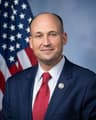
R· New York
YRS IN OFFICE
3
BILLS LED
48
COSPONSOR BREAKDOWNBIPARTISAN · 3%
DEM 3 REP 154 IND 0
ACTION TIMELINE
9 EVENTSFEB 4
Reported (Amended) by the Committee on Energy and Commerce. H. Rept. 119-482.
FEB 4
Placed on the Union Calendar, Calendar No. 412.
DEC 3
Committee Consideration and Mark-up Session Held
DEC 3
Ordered to be Reported by the Yeas and Nays: 24 - 21.
BILL INFO
TypeHouse Bill
NumberHR 3699
Congress119th
StatusReported
IntroducedJun 4, 2025
Last actionFeb 4, 2026
READER REACTIONS
OVERALL SENTIMENT
No reactions yet. Be the first to weigh in.
Discussion
Loading comments...
REPORTED· 119TH CONGRESS · ENERGY AND COMMERCE COMMITTEE · INTRODUCED JUN 4, 2025
House BillHR 3699Alternative and renewable resourcesState and local government operations
Energy Choice Act
INTRODUCED JUN 4, 2025· LAST ACTION FEB 4, 2026
PASSAGE CHANCES
—%
READING
4 min
COSPONSORS
157
COMPLEXITY
Moderate