Bills · HR 3598
IN COMMITTEE· 119TH CONGRESS
House BillHR 3598Transportation and Public Works
Deescalation Drone Pilot Program Act of 2025
INTRO MAY 23· LAST ACTION MAY 24
READING
5MIN
COSPONSORS
24
READER REACTIONS0 TOTAL
NO VOTES YET · BE THE FIRST
- Introduced only
LEGISLATIVE PROGRESS
STEP 2 / 8Introduced
In Committee
Reported
Passed House
Passed Senate
Conference
To President
Became Law
WHAT THE BILL DOES
AI-writtenVoters should care about this bill because it explores new ways to handle extremely dangerous situations like active shooter events, which have become a tragic reality in many communities. If successful, this program could provide law enforcement with additional tools to de-escalate threats and reduce harm without directly engaging with lethal force, potentially saving lives of both civilians and officers. If the bill becomes law, it could lead to changes in police tactics, a new role for drone technology in public safety, and a boost for domestic drone manufacturing. If it doesn't pass, law enforcement might miss out on exploring a new, potentially safer approach to handling critical incidents, and the technology might not be developed and regulated in this specific way.
KEY PROVISIONS
4AI-extractedPROVISION 01
Establishes a pilot program through the Federal Aviation Administration (FAA) to review the use of small, nonlethal deescalation drones by law enforcement during active shooter events.
This initiates the testing and evaluation of new technology for police response, aiming to improve safety.
PROVISION 02
Requires the pilot program to develop protocols for reviewing nonlethal weapons, training law enforcement, and ensuring safe operations for these drones.
This ensures a structured and safe approach to integrating new drone technology into police work, addressing both technical and human elements.
PROVISION 03
Mandates that any nonlethal deescalation unmanned aircraft used under the pilot program must be manufactured in the United States.
This provision supports domestic manufacturing and could create jobs within the U.S. drone industry.
PROVISION 04
Directs the FAA to initiate rulemaking after the program concludes to create a process for law enforcement to get approval to operate these drones and for manufacturers to test them.
This creates a clear pathway for the technology to be officially adopted and regulated for widespread use by law enforcement if the pilot program proves successful.
SPONSORSHIP
1 + 24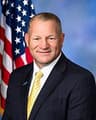
R· Texas
YRS IN OFFICE
5
BILLS LED
31
COSPONSOR BREAKDOWNBIPARTISAN · 25%
DEM 3 REP 21 IND 0
ACTION TIMELINE
3 EVENTSMAY 24
Referred to the Subcommittee on Aviation.
MAY 23
Introduced in House
MAY 23
Referred to the House Committee on Transportation and Infrastructure.
BILL INFO
TypeHouse Bill
NumberHR 3598
Congress119th
StatusIn Committee
IntroducedMay 23, 2025
Last actionMay 24, 2025
READER REACTIONS
OVERALL SENTIMENT
No reactions yet. Be the first to weigh in.
Discussion
Loading comments...
IN COMMITTEE· 119TH CONGRESS · TRANSPORTATION AND INFRASTRUCTURE COMMITTEE · INTRODUCED MAY 23, 2025
House BillHR 3598Transportation and Public Works
Deescalation Drone Pilot Program Act of 2025
INTRODUCED MAY 23, 2025· LAST ACTION MAY 24, 2025
PASSAGE CHANCES
—%
READING
5 min
COSPONSORS
24
COMPLEXITY
Moderate