Bills · HR 3575
IN COMMITTEE· 119TH CONGRESS
House BillHR 3575Foreign Trade and International Finance
ANTE Act
INTRO MAY 23· LAST ACTION MAY 23
READING
6MIN
COSPONSORS
5
READER REACTIONS0 TOTAL
NO VOTES YET · BE THE FIRST
- Introduced only
LEGISLATIVE PROGRESS
STEP 2 / 8Introduced
In Committee
Reported
Passed House
Passed Senate
Conference
To President
Became Law
WHAT THE BILL DOES
AI-writtenThis bill matters because it addresses a perceived loophole in current U.S. trade policy. If passed, it would give the U.S. government a stronger tool to prevent foreign companies from circumventing tariffs that are put in place to protect American industries or to address unfair trade practices. Voters who are concerned about fair competition and protecting domestic jobs might see this as a positive step.
However, it could also lead to increased costs for some imported goods, potentially impacting American consumers or businesses that rely on those imports. It might also escalate trade tensions with the countries involved. If this bill becomes law, the U.S. Trade Representative would have more power to influence global supply chains and trade flows. If it doesn't pass, the U.S. might continue to face challenges in preventing these types of tariff evasion strategies.
KEY PROVISIONS
5AI-extractedPROVISION 01
Authorizes the U.S. Trade Representative (USTR) to initiate inquiries into whether entities tied to nonmarket economy countries are evading or attempting to evade U.S. duties by investing in third countries.
This creates a formal process for identifying and investigating complex strategies used by foreign companies to bypass U.S. import taxes.
PROVISION 02
Allows the USTR to impose "remedial measures," including new duties (tariffs), on goods produced by these entities in the third countries if evasion is confirmed.
This provides the USTR with a direct and specific tool to counter identified tariff evasion, potentially making imports from these sources more expensive.
PROVISION 03
Specifies that an inquiry can be self-initiated by the USTR or requested by interested parties (like U.S. businesses) or Congress.
This broadens the avenues through which concerns about potential tariff evasion can be brought to the USTR's attention, increasing accountability.
PROVISION 04
Sets deadlines for the USTR to determine if an inquiry is warranted (45 days) and to make an affirmative determination of duty evasion (180 days after warranting an inquiry).
These deadlines aim to ensure timely action and decision-making by the USTR in response to allegations of tariff evasion.
PROVISION 05
Defines a "covered entity" as one owned, controlled, or having at least 25% equity held directly or indirectly by a nonmarket economy country.
This clarifies which specific foreign businesses and investment arrangements would be subject to these new investigative and remedial powers.
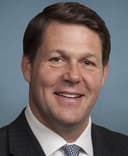
SPONSORSHIP
1 + 5
R· Texas
YRS IN OFFICE
9
BILLS LED
59
COSPONSOR BREAKDOWNBIPARTISAN · 0%
DEM 0 REP 5 IND 0
ACTION TIMELINE
2 EVENTSMAY 23
Introduced in House
MAY 23
Referred to the House Committee on Ways and Means.
BILL INFO
TypeHouse Bill
NumberHR 3575
Congress119th
StatusIn Committee
IntroducedMay 23, 2025
Last actionMay 23, 2025
READER REACTIONS
OVERALL SENTIMENT
No reactions yet. Be the first to weigh in.
Discussion
Loading comments...
IN COMMITTEE· 119TH CONGRESS · WAYS AND MEANS COMMITTEE · INTRODUCED MAY 23, 2025
House BillHR 3575Foreign Trade and International Finance
ANTE Act
INTRODUCED MAY 23, 2025· LAST ACTION MAY 23, 2025
PASSAGE CHANCES
—%
READING
6 min
COSPONSORS
5
COMPLEXITY
Moderate