Bills · HR 3574
IN COMMITTEE· 119TH CONGRESS
House BillHR 3574Taxation
To amend the Internal Revenue Code of 1986 to permit qualified distributions from section 529 plans for certain transportation and parking expenses.
INTRO MAY 23· LAST ACTION MAY 23
READING
1MIN
COSPONSORS
1
READER REACTIONS0 TOTAL
NO VOTES YET · BE THE FIRST
- Introduced only
LEGISLATIVE PROGRESS
STEP 2 / 8Introduced
In Committee
Reported
Passed House
Passed Senate
Conference
To President
Became Law
WHAT THE BILL DOES
AI-writtenVoters should care about this bill because it broadens the scope of what college savings plans can cover, directly addressing a common financial strain for many students: transportation. Currently, families often have to pay for commuting costs out-of-pocket, even if they have substantial savings in a 529 plan, because these costs aren't 'qualified' for tax-free withdrawals.
If this bill becomes law, families would have more flexibility and potentially save money on taxes by using their 529 funds for necessary travel, including parking. This could be particularly helpful for students attending community colleges, living at home, or participating in apprenticeship programs who often commute daily. If it doesn't pass, these transportation expenses will continue to be paid with after-tax money, even if 529 funds are available, adding to the overall cost of education.
KEY PROVISIONS
4AI-extractedPROVISION 01
Allows 529 plan funds to be used for transportation and parking expenses to eligible educational institutions.
This makes college savings more flexible by covering a common and often significant cost for students, especially commuters.
PROVISION 02
Limits the amount for transportation expenses to what the educational institution includes in its 'cost of attendance' for transportation.
This prevents excessive claims and ties the eligible amount to a standard determined by the school.
PROVISION 03
Expands qualified expenses for apprenticeship programs to include transportation and parking costs related to participation.
This provides similar financial relief for those pursuing vocational training, making apprenticeship more accessible.
PROVISION 04
The changes apply to distributions made after the date the bill becomes law.
This specifies when the new rules will take effect, ensuring clarity for families planning their withdrawals.
SPONSORSHIP
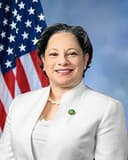
1 + 1
D· Virginia
YRS IN OFFICE
3
BILLS LED
27
COSPONSOR BREAKDOWNBIPARTISAN · 0%
DEM 1 REP 0 IND 0
ACTION TIMELINE
2 EVENTSMAY 23
Introduced in House
MAY 23
Referred to the House Committee on Ways and Means.
BILL INFO
TypeHouse Bill
NumberHR 3574
Congress119th
StatusIn Committee
IntroducedMay 23, 2025
Last actionMay 23, 2025
READER REACTIONS
OVERALL SENTIMENT
No reactions yet. Be the first to weigh in.
Discussion
Loading comments...
IN COMMITTEE· 119TH CONGRESS · WAYS AND MEANS COMMITTEE · INTRODUCED MAY 23, 2025
House BillHR 3574Taxation
To amend the Internal Revenue Code of 1986 to permit qualified distributions from section 529 plans for certain transportation and parking expenses.
INTRODUCED MAY 23, 2025· LAST ACTION MAY 23, 2025
PASSAGE CHANCES
—%
READING
1 min
COSPONSORS
1
COMPLEXITY
Moderate